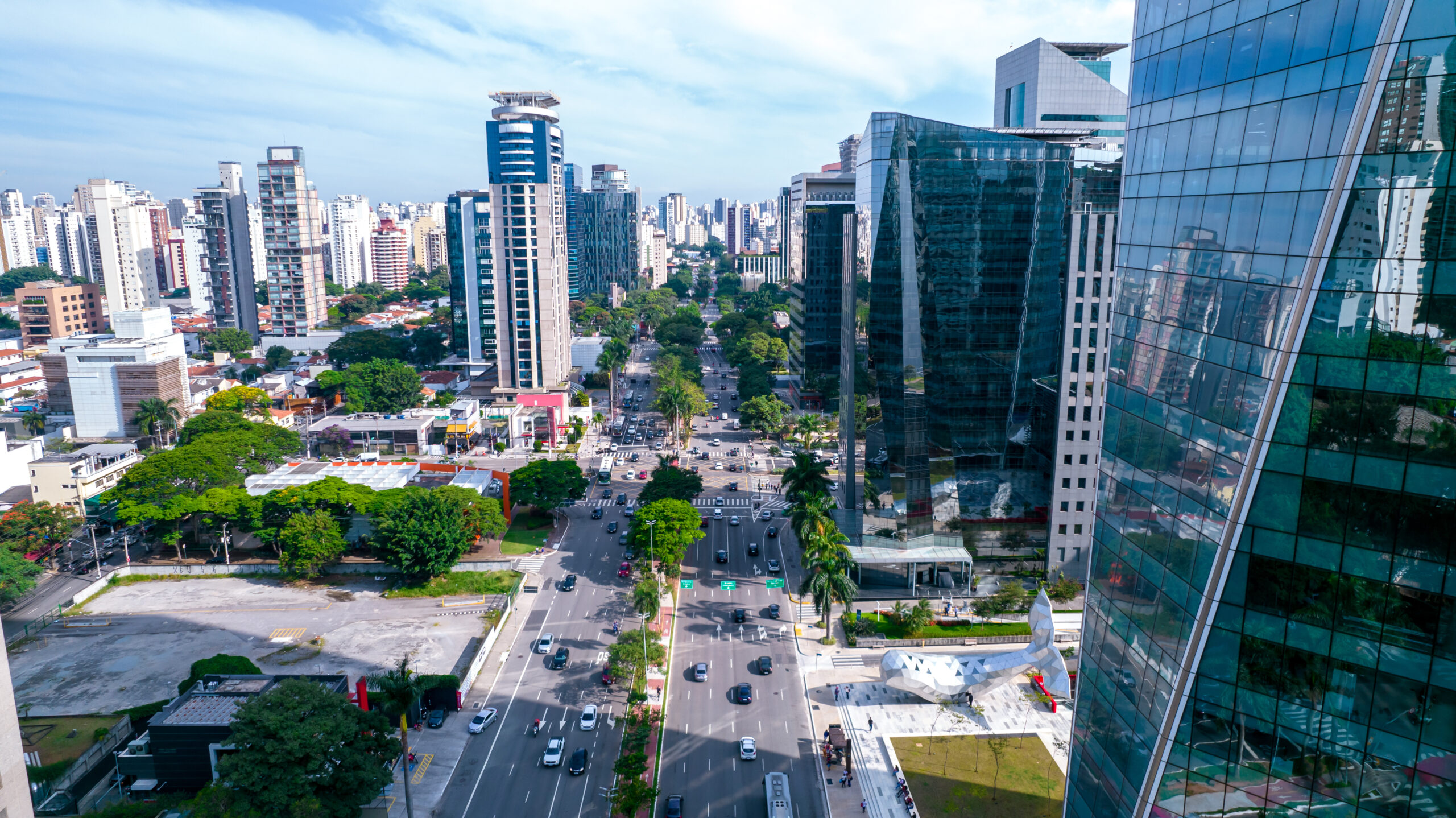
Targeted Urban Reforestation: Green Infrastructure for City Resilience
In the 2026 scenario, the resilience of Brazilian cities in the face of extreme weather events is a challenge that demands solutions…

The publication of CVM Resolution 193 not only brought new rules; it inaugurated a new mentality in the Brazilian capital market. By aligning the country with the international standards of the ISSB (IFRS S1 and S2), the CVM ended the era of sustainability as a purely narrative tool and positioned it where it should always have been: in accounting and risk management.
Until recently, sustainability reports suffered from a lack of standardization, making comparability difficult for investors. The new IFRS standard eliminates this subjectivity. From now on, the way a company reports its climate and social risks must have the same consistency, clarity, and traceability as a balance sheet.
The market is shifting from asking "what are your green projects?" to questioning "how does climate change impact your cash flow and how robust is the data supporting this?".
Although the focus is on strategy, we cannot ignore the timeline that dictates the pace of this adaptation. The market is experiencing a period of transition: adoption is voluntary until the end of 2025, becoming... mandatory for publicly traded companies starting January 1, 2026.
However, the critical point is not just the date, but the depth of the audit. In the mandatory phase, the requirement increases to... Reasonable AssuranceIn practical terms, this means that auditors will no longer accept vague estimates. Every environmental or social data point disclosed will require solid technical evidence, tested internal controls, and verifiable methodology—the same rigor applied to financial figures.
For Directors and Board Members, the message is clear: the risk of greenwashing Now it's a financial compliance risk.
Ecominas understands that a sustainability financial report (GRS Report) only stands on its own if the operational base is solid. The quality of its licensing, the accuracy of its emissions inventory, and the effectiveness of its social programs are now financial assets. Our 23 years of expertise ensure that the "data engineering" at the operational level supports the accountability that the CVM (Brazilian Securities and Exchange Commission) demands at the disclosure level.