In the 2026 scenario, the resilience of Brazilian cities in the face of extreme weather events is a challenge that demands integrated and innovative technical solutions. The traditional urban planning model, focused on gray infrastructure (concrete and asphalt), demonstrates limitations. In this context, the Targeted Urban Reforestation emerges as a strategy of Nature-Based Solutions (NbS) effective in increasing resilience and quality of life in urban areas.
The Concept and the Application
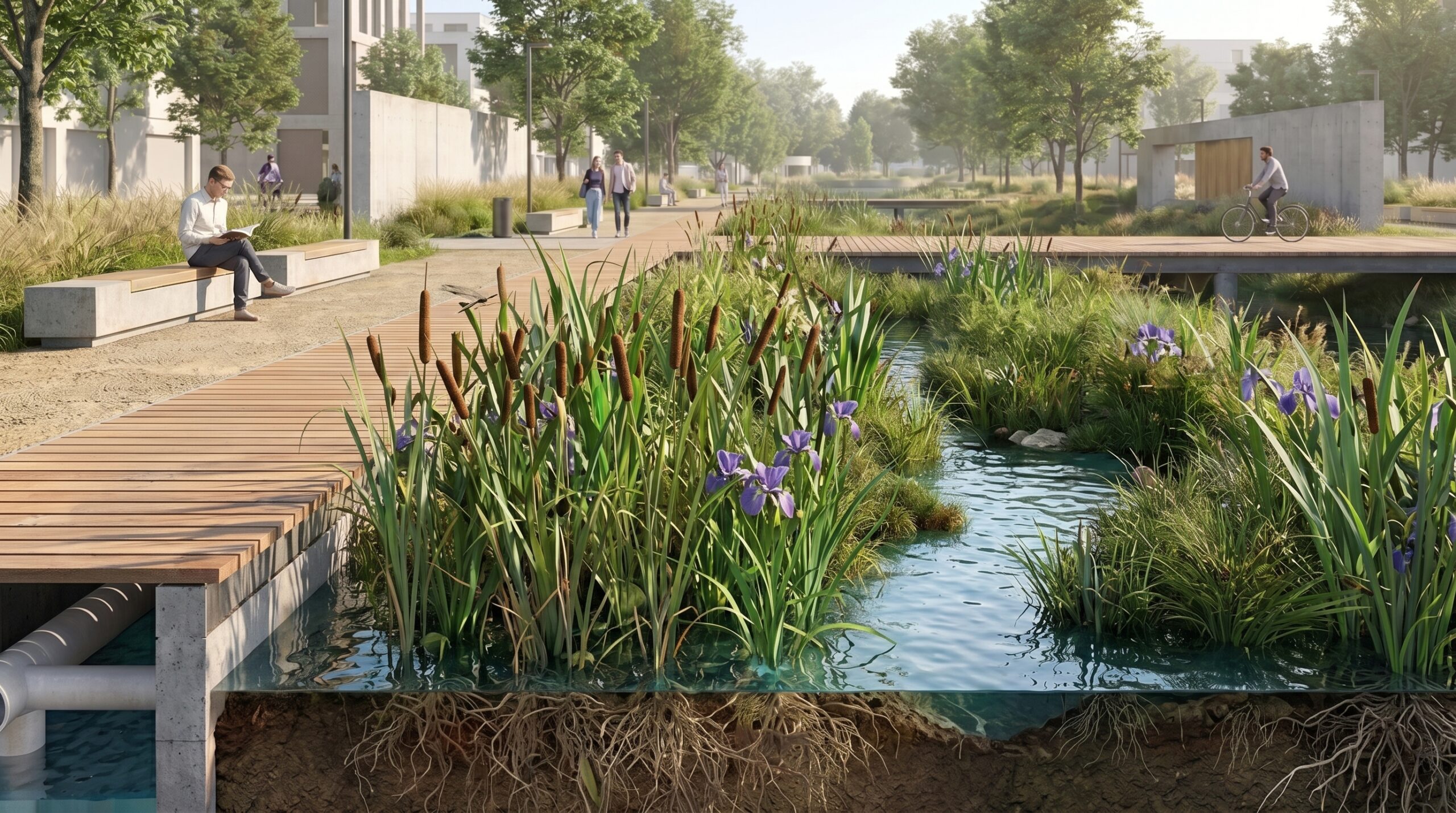
Unlike large-scale reforestation, which occurs in large continuous areas, targeted urban reforestation focuses on the strategic insertion of vegetation in micro-points within the territory. This includes street medians, pocket parks, rain gardens, green roofs, and vegetated facades.
The key to this strategy is the rigorous selection of plant species native to the local ecosystem. These species are better adapted to the climate and soil conditions of the region, which reduces maintenance needs and increases the success of the implementation. The density and biological diversity of targeted reforestation are crucial for the green infrastructure to operate at high performance.
Climate Risk Mitigation
Targeted urban reforestation directly mitigates two of the main climate risks in cities: heat islands and floods.
Heat islands are caused by the absorption of solar radiation by dark surfaces and the lack of vegetation. Strategically placed vegetation works through evapotranspiration, cooling the local microclimate. Trees with wide canopies provide cool shade, reducing the temperature by up to 10°C compared to exposed areas, protecting infrastructure and people's well-being.
Regarding flooding, targeted reforestation acts as a natural drainage system. The vegetation and prepared soil increase permeability and rainwater infiltration. The structuring of rain gardens and swales (vegetated drainage ditches) allows for efficient management of rainwater at the point of impact, reducing the overload on the gray micro-drainage network and preventing floods and inundations.
Air Filtration and Soil Quality
Strategically placed vegetation helps filter air pollutants, such as particulate matter and toxic gases, from vehicular traffic and industrial activity. The strategic selection of species with varied foliage and specific textures maximizes pollutant retention. In addition to filtering, targeted urban reforestation improves the acoustic quality of the area by absorbing excessive noise.
The enhancement of the territory and the improvement of well-being are direct consequences of this strategy. Urban territories with green infrastructure are more resilient, healthy, and attractive to the population, promoting socio-environmental integration and urban biodiversity.
The Role of Strategic Consulting
The successful implementation of targeted urban reforestation requires a technical and multidisciplinary approach. Strategic sustainability consulting, such as that offered by Ecominas, is fundamental for:
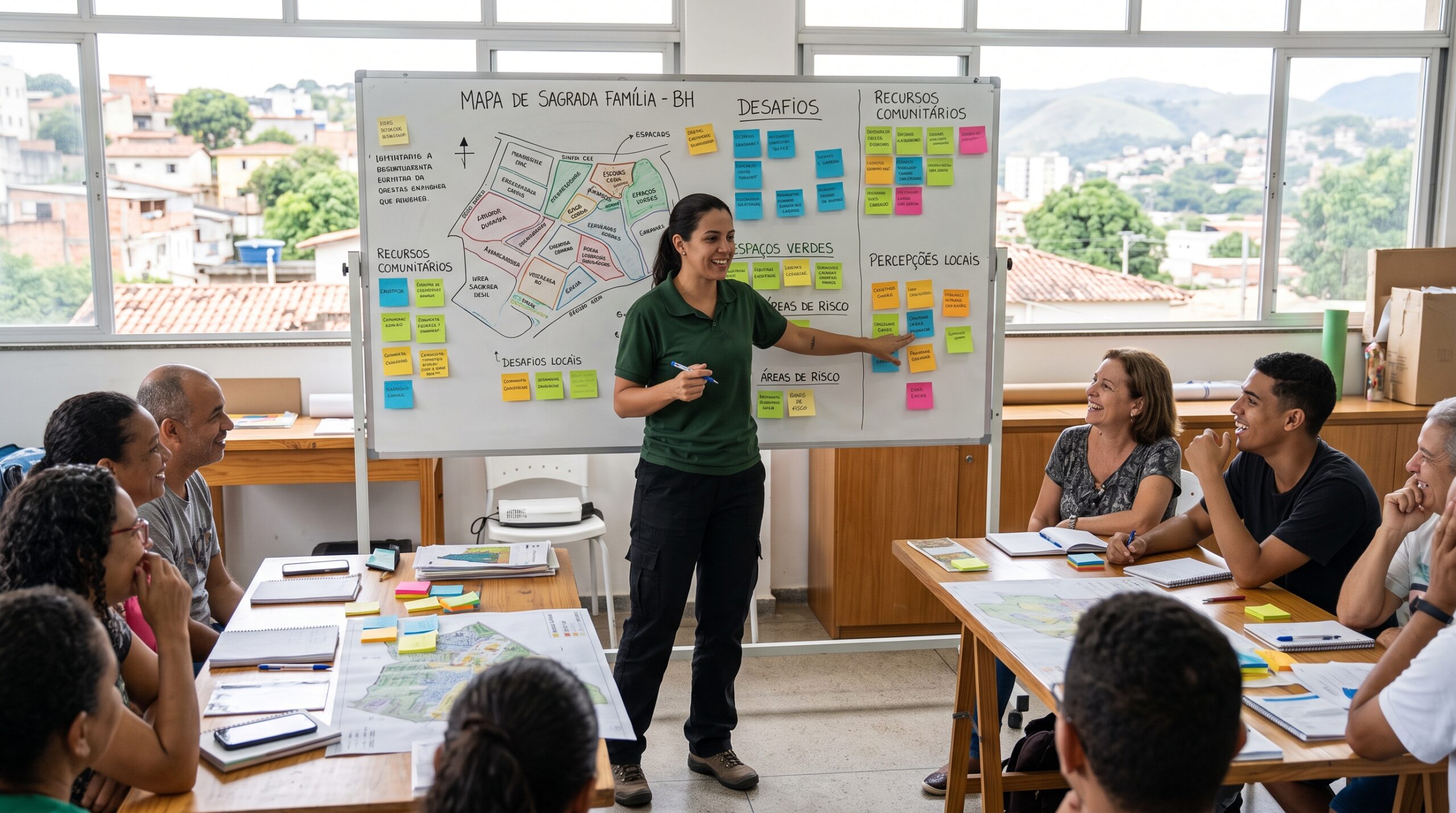
- Technical Diagnosis: Assessment of urbanized territory to identify critical heat and flooding points.
- Strategic Species Selection: Choose native species with filtering and resilience characteristics that are suitable for local conditions.
- Planning and Licensing: Structuring technical projects aligned with environmental legislation and urban planning.
- Monitoring and Management: Developing plans for the long-term maintenance and performance monitoring of green infrastructure.
By 2026, the most resilient and intelligent cities will be those that know how to integrate nature into their urban planning in a strategic and timely manner, using green infrastructure as a technical tool to ensure the sustainability of the territory and the well-being of its inhabitants.