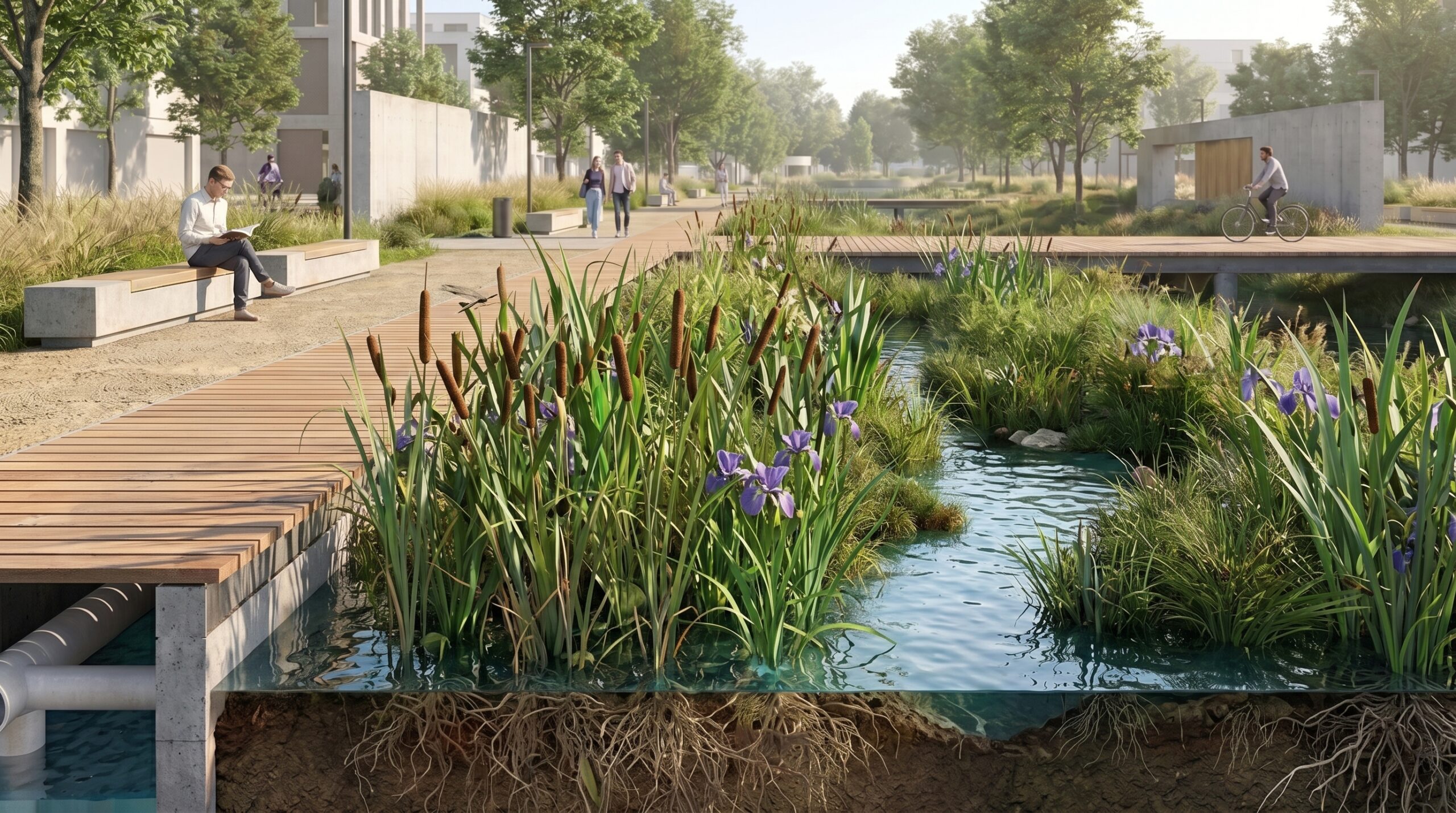
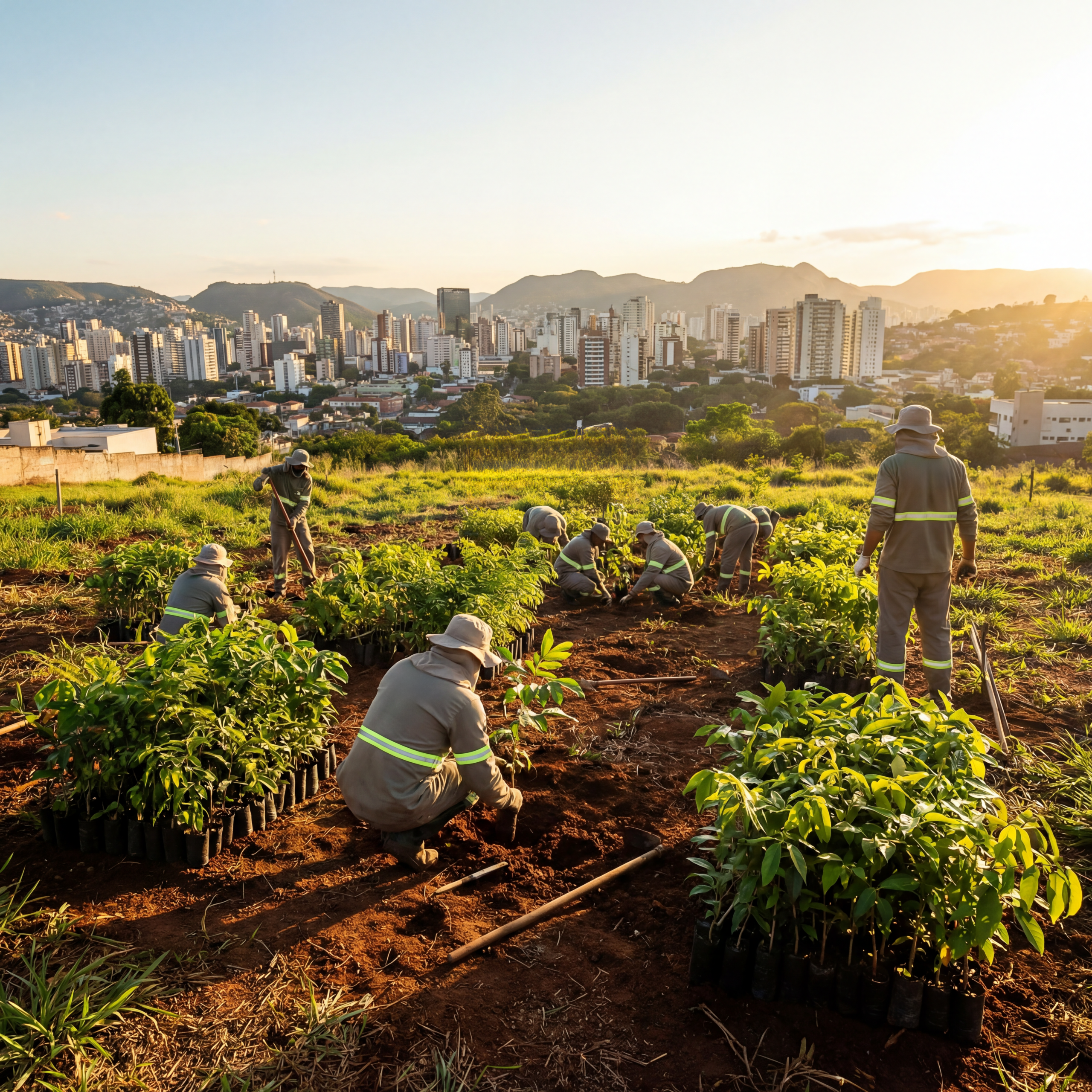
The portal Sustainability Directory, in one of his publications[1], suggests that proper management of the so-called syndrome Not In My Backyard (NIMBY) is crucial for the success of sustainable initiatives, since sustainability must be based on a balance between environmental preservation, social equity and economic viability – as highlighted by Sustainable Development Goal No. 11 of the United Nations (UN): Make cities and human settlements inclusive, safe, resilient and sustainable (MMA, 2022).
NIMBY syndrome is a complex and long-explored phenomenon, although the dissemination of the term in Brazil suffers from the inherent linguistic barrier. The subject is, above all, about the typical and heated resistance perceived by scholars from residents of certain neighborhoods when social housing projects or services for vulnerable populations are installed in their vicinity (Borges; Silva; Santos, 2025). Sustainability Directory He adds, as possible causes of these community oppositions, the arrival of ecologically and technologically advanced projects, such as those focused on renewable energy generation, and all those that "contribute to greater social and environmental objectives," but are rejected by groups that unite through territorial ties in geographies attractive to such projects.
In general, Borges, Silva and Santos (2025, p.6) point out that the theme highlights conflicts and “polarizations between residents and public institutions, or between established groups and vulnerable populations that would benefit from the projects”, and emerge through diverse tactics. Authors cite risks to public safety and saturation of infrastructure and collective equipment as typical rhetoric adopted; variable forms of social organization among activists, petitions and protests, articulation with political parties, attempts to attract media outlets – depending on the “maturity” of the groups or community networks, etc.
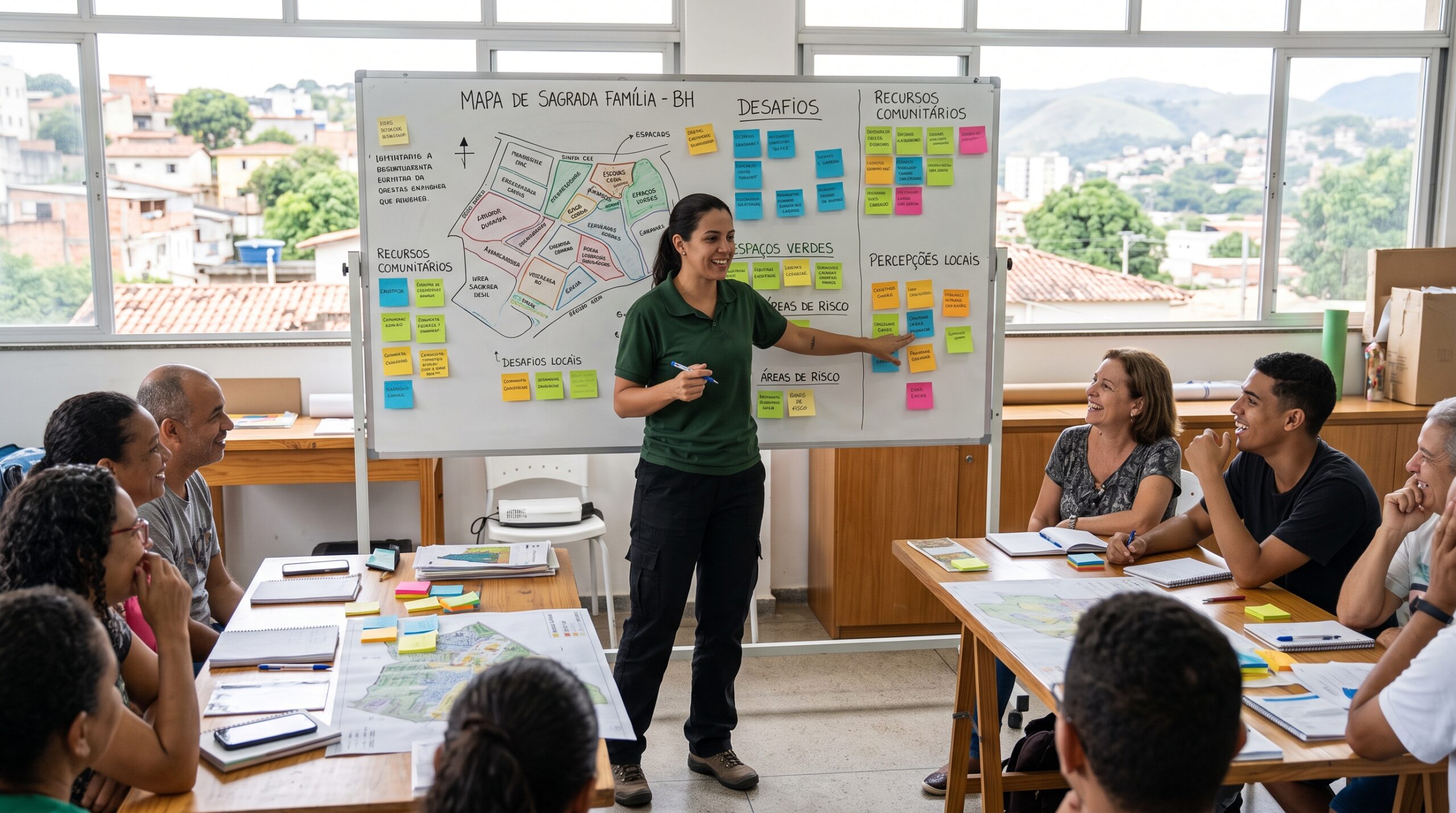
The common perception among experts is that this generates a residual climate of strong institutional distrust, erosion of state legitimacy, and a distancing from political participation on the part of residents in neighborhoods affected by NIMBY syndrome. The manifestations vary in intensity, depending on the degree of exclusionary and top-down management, that is, according to the level of popular participation incorporated into the implementation processes of the projects, especially regarding housing policies (Borges; Silva; Santos, 2025). According to Davidson et al. (2013, p.11), the cases are almost always protagonized by community groups that “[…] do not want this specific undertaking near their homes, even if they recognize (…) an important purpose or that they may benefit from it”, with the division between “groups with conflicting views of city, justice and belonging” being notable (Borges; Silva; Santos, 2025, p.2).
While reconciliation in favor of sustainable development is legitimate, this is by no means an easy discussion. While NIMBY syndrome is a phenomenon that has been researched for a long time, the denunciation of the superiority of the environmental agenda in political decision-making is equally solid: what should be the limits of the rhetoric of a "greater good," of an inherently positive and desirable existence in projects motivated by ecological advances? Some boundaries deserve attention, even in the face of undeniably necessary gains in the face of Brazil's overwhelming urban and housing deficit—even considering our timid progress in housing policies and the achievements of housing rights movements—with its pockets of poverty and global position in the "agro-mining-hydro-bio-carbon-business" (Malheiro; Porto-Gonçalves; Michelotti, 2021, p. 47).
For example, there is consistent evidence of a trend towards the installation of environmentally impactful projects in disadvantaged regions, especially with regard to real estate and land disputes in cities and rural areas. Similarly, there is a geographical propensity for the occurrence of environmental disasters and crimes, a frequent topic in so-called studies on climate and socio-environmental injustice (Acselrad, 2002; Acselrad, 2015).
Therefore, it would be unfair to ignore that, among the various urban-environmental problems afflicting Brazilian cities, the geographical and historical inequality in the supply and access to urban infrastructure and equipment capable of meeting demands for health, education, transportation, leisure, and the enjoyment of a safe and high-quality environment is a noteworthy point. In this context, Davidson et al. (2013, p.11) highlight that the acronym NIMBY can even have a strong pejorative connotation when used to belittle the legitimate concerns of communities, delegitimizing them as a blind geographical protectionism and/or a kind of territorial instinct. The remediation and repair of fears and vulnerabilities historically neglected by the current model of urban-environmental management and planning is also a social and environmental goal, both for public and private initiatives, in their respective areas of responsibility within this highly contested use and occupation of urban land.
Far from dictating answers to questions averse to formulas or ready-made recipes, this theme deserves broad discussion for its capacity to provoke contradictions and inspire collective and participatory negotiations. The only certainty in the journey of building sustainability is a tortuous and necessarily conciliatory path of contrasting interests and worldviews regarding society, the environment, rights, and responsibilities. The pursuit of environmental preservation, social equity, and economic viability, when equipped with genuinely sustainable aspirations, forms part of this constitution as a tripod. As important as the goals are the strategies that strive to achieve them: abandoning tireless correction in favor of planning. Only in this way can we glimpse the surprising and non-linear future that we work to ensure is permeated by sustainable cities and communities.
REFERENCES
ACSELRAD, Henri. Environmental justice and the social construction of risk. Development and Environment, no. 5, Curitiba/PR, pp. 49–60, 2002.
ACSELRAD, Henri. Social vulnerability, environmental conflicts and urban regulation. O Social em Questão-Ano XVIII, Rio de Janeiro/RJ, p. 57–67, 2015.
BORGES, Tomás Paixão; DA SILVA, Thaiza Siqueira; DOS SANTOS, Ana Paula Lima. Do housing policies increase local polarization?. Laboratory for Monitoring and Evaluation of Policies and Elections – MAPE, 2025.
DAVISON, Gethin; LEGACY, Crystal; LIU, Edgar; et al. Understanding and addressing community opposition to affordable housing development. Melbourne: Australian Housing and Urban Research Institute (AHURI), 2013. Available at: Accessed on: May 17, 2026. ISBN: 978-1-922075-38-3.
Rosa Luxemburg Foundation; Popular Expression, 2021.
AMAZONIAN HORIZONS: Rethinking Brazil and the World. São Paulo: MALHEIRO, Bruno; PORTO-GONÇALVES, Carlos Walter; MICHELOTTI, Fernando.
Ministry of Environment and Climate Change – MMA. SDG History. MMA Portal, Online, 2022. Available at: Accessed on: May 17, 2026.
[1]Available at: Accessed on: May 16, 2026.