Climate Change and the Role of Urban Practices in Building Resilient Cities
July 5, 2024
By Letícia Ribeiro
EnvironmentSocialSolutionsUrban planning
It's hot, isn't it? The feeling of extreme heat has ceased to be an isolated phenomenon and has become part of everyday reality in many regions of the world. The rise in global temperatures is directly linked to two main factors: the advance of global warming, driven by the continuous emission of greenhouse gases, and the action of climatic phenomena such as the El Niño, which abnormally warms the waters of the Pacific Ocean and affects the climate on a planetary scale.
In Brazil, the effects of this new climate are becoming increasingly evident. 2023 was one of the hottest years ever recorded in the country, with significant impacts across all regions. Belo Horizonte, for example, stood out as the Brazilian capital that experienced the most heat that year. Data from... National Center for Monitoring and Alerts of Natural Disasters (Cemaden) Data indicates that in November 2023, the city experienced a temperature increase of 4.23°C compared to the historical average for the month, a record that illustrates the seriousness of the situation.
The City as an Agent of Transformation
Given this scenario, the role of cities goes beyond adaptation — they can also be... transformation vectors. Urban practices have the power to mitigate the effects of global warming and contribute to a more sustainable and healthy environment. Below, we highlight some key strategies:
Green roofsVegetation on buildings acts as thermal insulation, reduces the heat absorbed by the structures, and contributes to air purification, in addition to providing shelter for birds and pollinating insects.
Urban tree plantingTrees are true allies against heat islands. They provide shade, humidify the air, absorb pollutants, and make urban spaces more pleasant to live in.
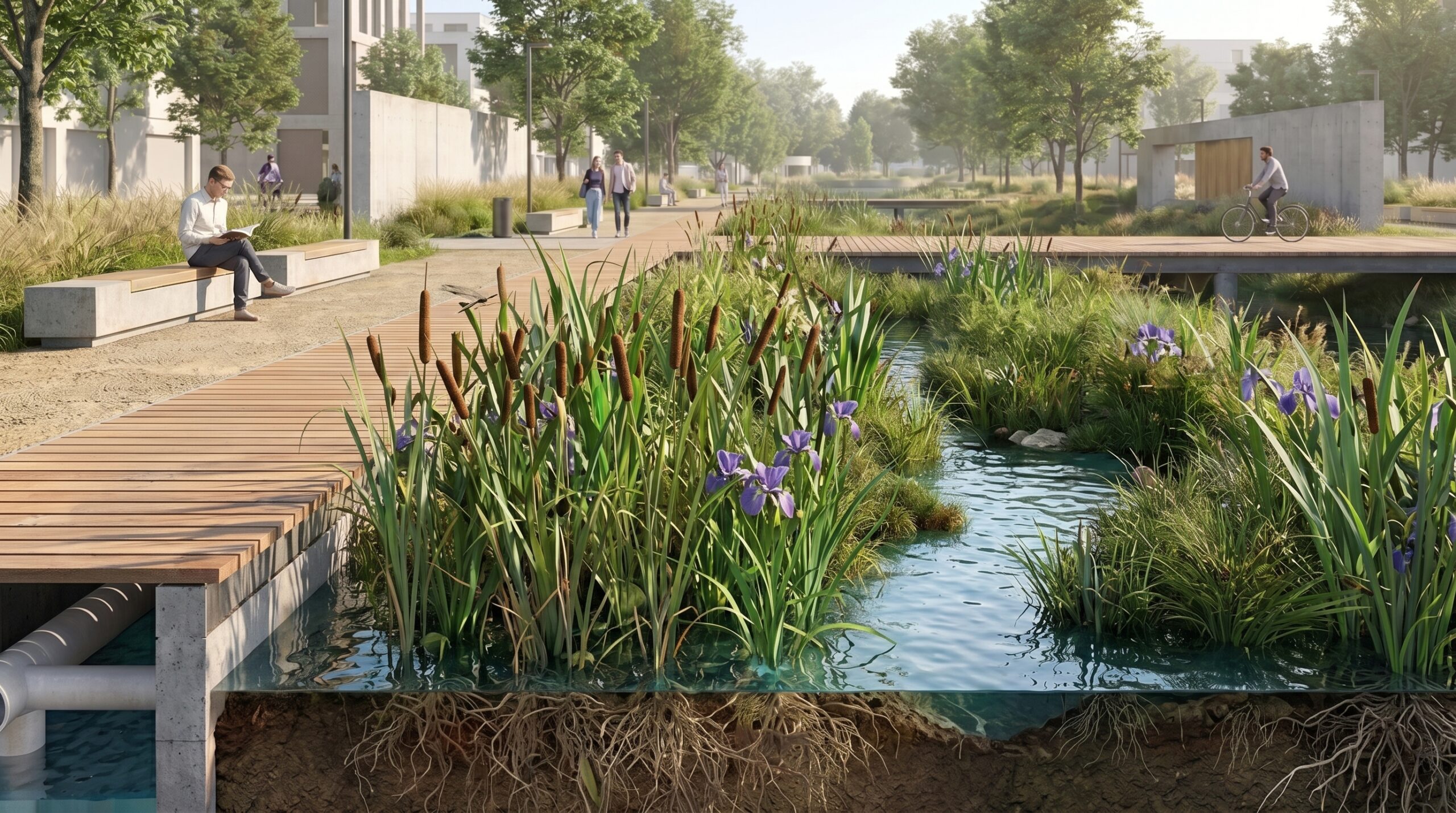
Rain gardensIn addition to beautifying the city, these structures help retain and filter rainwater, preventing flooding and contributing to the recharge of groundwater.
Public drinking fountainsSimple and effective, drinking fountains in strategic locations promote hydration among the population, especially during periods of extreme heat, reinforcing public health care.
Urban parksIn addition to providing recreational areas, parks function as natural regulators of the local climate, helping to absorb carbon and reduce temperatures in the surrounding areas.
Bike lanes and active mobilityPromoting the use of bicycles as a means of transportation is essential to reduce carbon emissions and improve air quality in cities.
Urban Planning with a Climate Focus
For these solutions to become a reality, it is essential that Public urban planning policies should incorporate integrated climate adaptation and mitigation strategies.. This ranges from incentives for green infrastructure to revising land-use guidelines and promoting more sustainable transportation models.
The cities of the future need to be designed to withstand extreme weather events while simultaneously providing well-being for their inhabitants. Belo Horizonte, along with so many other Brazilian cities, is already feeling the effects of climate imbalance. It is now necessary to act intelligently and with commitment, adopting practices that make the urban environment more resilient and prepared for the challenges to come.
Brazilian roads accumulate functions that their original design did not foresee. Redistributing the road section and taking care of the pedestrian scale…
It is crucial to remember that the concept of "environment" extends beyond the physical-natural dimension to encompass the social world. The strategies…