Communication, technology and sustainability: connections for a more conscious future.
April 5, 2024
By Victor Gabriel
EducationEnvironmentSocialSolutionsTendencies
The pursuit of sustainable practices in our daily lives is an ongoing process. It's not just about changing habits, but about constant re-education, involving the incorporation of new technologies, the abandonment of old practices, and the development of a collective awareness focused on environmental preservation. Amidst this transformative scenario, communication technology presents itself as a strategic tool, capable of expanding the reach of environmental education and making the paths to a more sustainable future more accessible.
Environmental education across multiple screens
Portrait of preschool kid using tablet for his homework,Soft focus of Child doing homework by using digital taplet searching information on internet, Home schooling education concept
The use of digital platforms has revolutionized the way we get information and learn. Channels like the international Kurzgesagt, The company, which translates complex scientific content into accessible animated videos, has distinguished itself by addressing topics such as global warming, the circular economy, and environmental responsibility. With versions in multiple languages, the videos have become a reference point for audiences of different ages and nationalities.
In Brazil, projects like the channel Manual of the World They also play an important educational role. By addressing environmental issues with lightness and creativity, these channels build bridges between technical knowledge and the general public, stimulating engagement and the formation of collaborative networks. They are examples of how communication, when well-directed, can be a powerful ally in disseminating sustainable practices.
Digital tools in favor of citizen participation
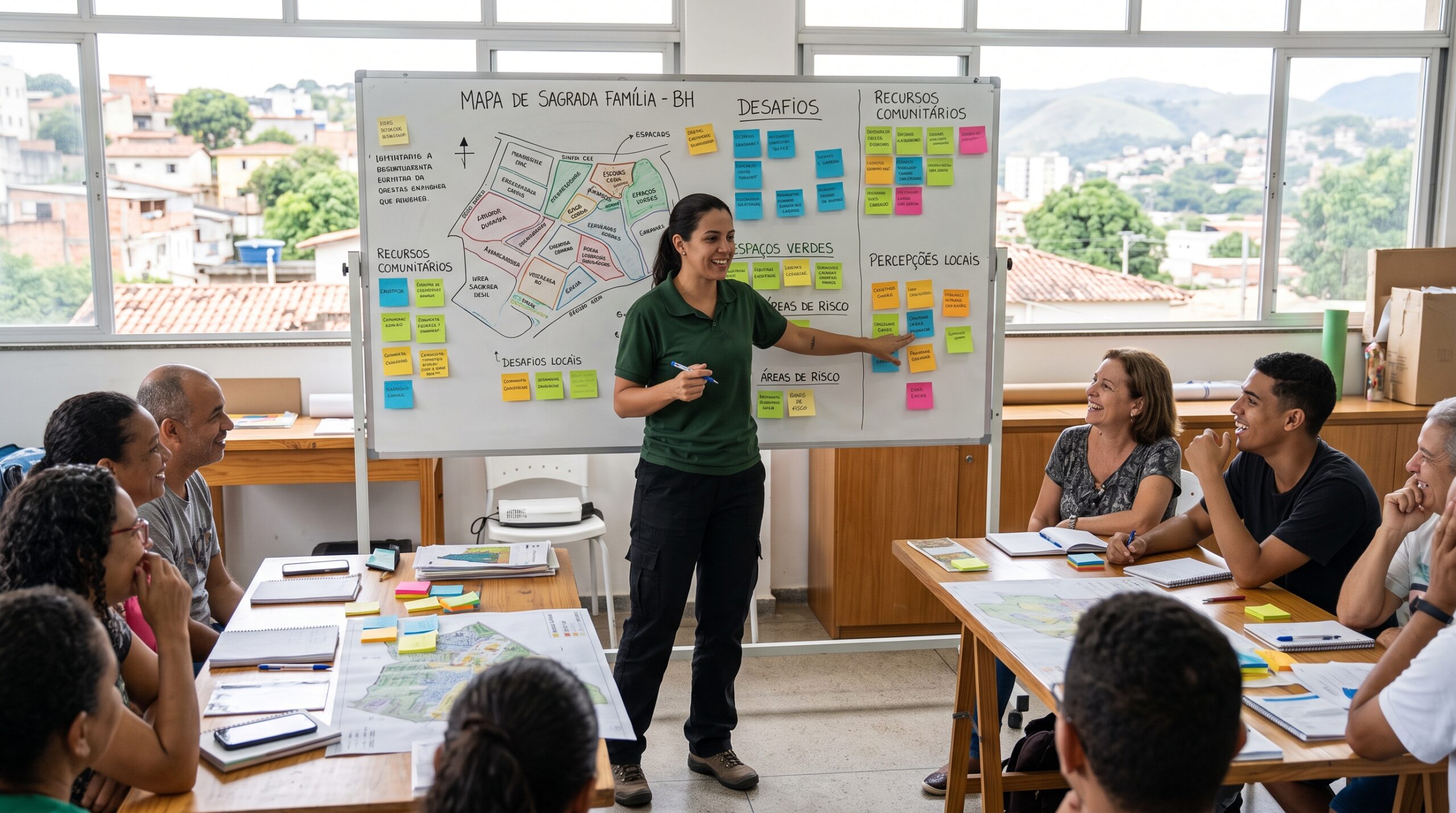
The internet not only connects people, but also brings society closer to the actions of public authorities and the private sector. Cities like Belo Horizonte and Count, For example, some companies already offer interactive maps with selective collection points, making it easier for the population to access services that contribute to the reduction of urban solid waste. This type of resource encourages the active participation of citizens, promoting greater transparency and engagement.
Furthermore, companies and public institutions have been using digital portals to present sustainability indicators. Graphs, dashboards, and publicly accessible reports allow for real-time monitoring of the environmental performance of policies, products, and services—a crucial step in consolidating a culture of responsibility and accountability.
Industry and mobility: innovations that reduce impacts.
EV car Electric car charging on parking lot. Male hand holding power cable supply plugged into Electric car charging station. Eco-friendly alternative energy. Future technology battery vehicle.
In the productive sector, technological advances already allow for more efficient and less polluting operations. In agriculture, transportation, and mining, for example, modern machines are being incorporated with the aim of reducing greenhouse gas emissions and the disposal of contaminating waste. These are high-impact solutions that, although often invisible to the general public, contribute decisively to mitigating the effects of climate change.
In cities, the transportation sector is one of the major drivers of this transition. The growing adoption of electric vehicles, which are more efficient and free from dependence on fossil fuels, represents a significant change in how we get around. Moreover, these intelligent, networked vehicles enable real-time monitoring of traffic and driver behavior, optimizing routes, saving energy, and reducing emissions. It's technology joining forces with sustainability to transform not only our commutes but the entire logic of urban mobility.
Brazilian roads accumulate functions that their original design did not foresee. Redistributing the road section and taking care of the pedestrian scale…
It is crucial to remember that the concept of "environment" extends beyond the physical-natural dimension to encompass the social world. The strategies…