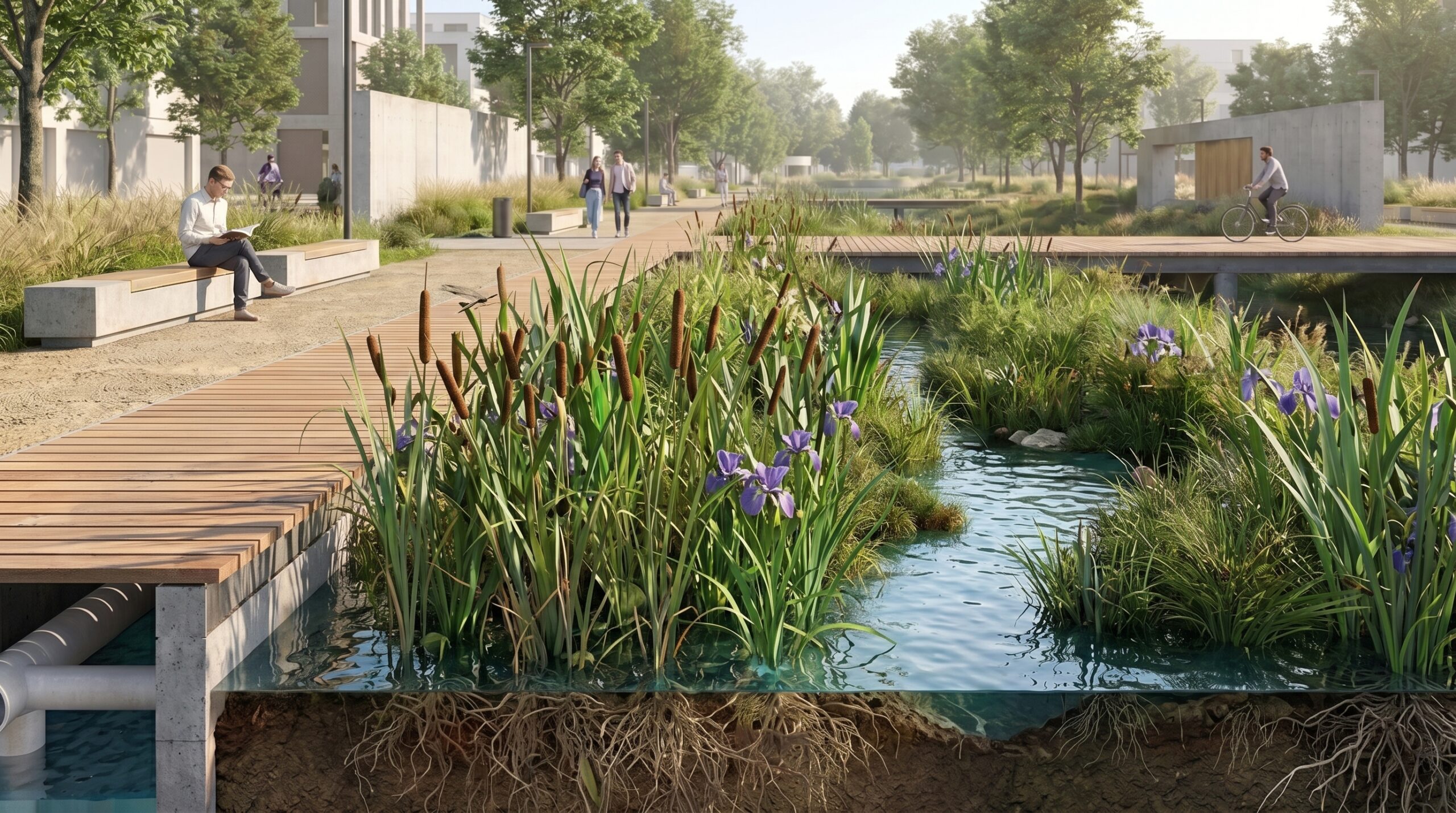
With the intensification of climate change, extreme events such as floods, heat waves, and environmental degradation have become part of the routine in urban areas. Faced with this scenario, the need to rethink already established urban spaces is growing—and one of the most promising strategies is... integrating nature into the urban environment through green infrastructure.
Among the most neglected natural elements in cities are waterways. Historically, rivers and streams have been channeled, covered with asphalt, or relegated to sewage systems, distancing them from the urban landscape and life. Many of these bodies of water are now seen as problems—not as allies.
But this can (and should) change.
Linear Parks: Reconnecting Cities to Their Waters
A green infrastructure It brings together nature-based solutions to improve environmental quality and promote the well-being of the population. According to Herzog (2011), it is a set of ecological, economic, and social tools that include everything from gardens and wooded areas until natural drainage systems, passing through sports areas, bioremediation and riparian forest restoration.
It is in this context that the following stand out: linear parks — projects that follow the course of rivers, combining recreation, landscaping, and environmental restoration. They function as a true integration of diverse green infrastructures, revitalizing riverbanks and promoting the sustainable use of these spaces.
Among the resources used in these parks, the following stand out:
Bioremediation: The use of living organisms, such as plants and microorganisms, to remove pollutants from water;
Stream revitalization: Removal of pipes and restoration of riparian vegetation;
Filtering gardens: Vegetated structures that help filter and purify water before it is returned to the environment.
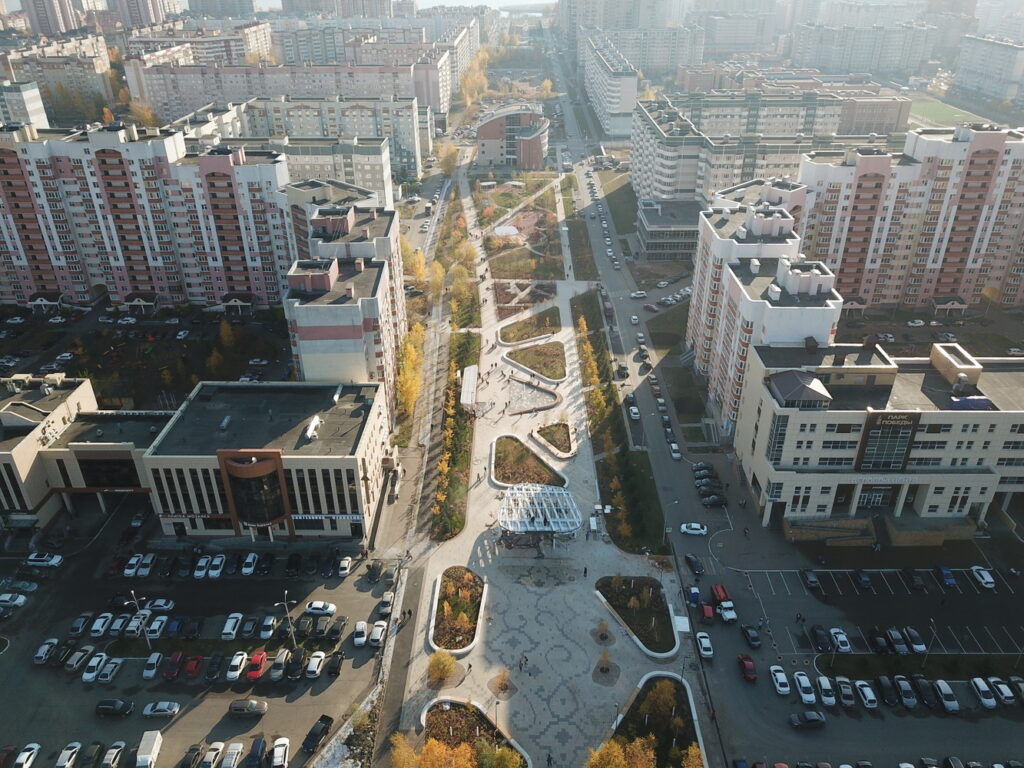
DCIM100MEDIADJI_0030.JPG
Environmental, Urban and Social Benefits
In addition to restoring the beauty and functionality of river waters, linear parks They value urban space.. They increase vegetation cover, help control temperature, improve air quality, reduce the risk of flooding, and make cities more prepared for extreme weather events.
These spaces also play a central role in promoting physical and mental health. Hiking, cycling, outdoor activities, children's play areas, and community meeting points transform the park into a place of conviviality and well-being. This strengthens the bond between the population and nature—something increasingly rare in urban centers.
The Role of Public Authorities and Popular Participation
The implementation of linear parks and green infrastructure depends, to a large extent, on public management. However, public engagement is crucial. Knowing and valuing these spaces encourages their conservation and puts pressure on new, similar initiatives. When society understands the vital role of urban rivers, a new perspective on the environment emerges.
What to do when there are no linear parks?
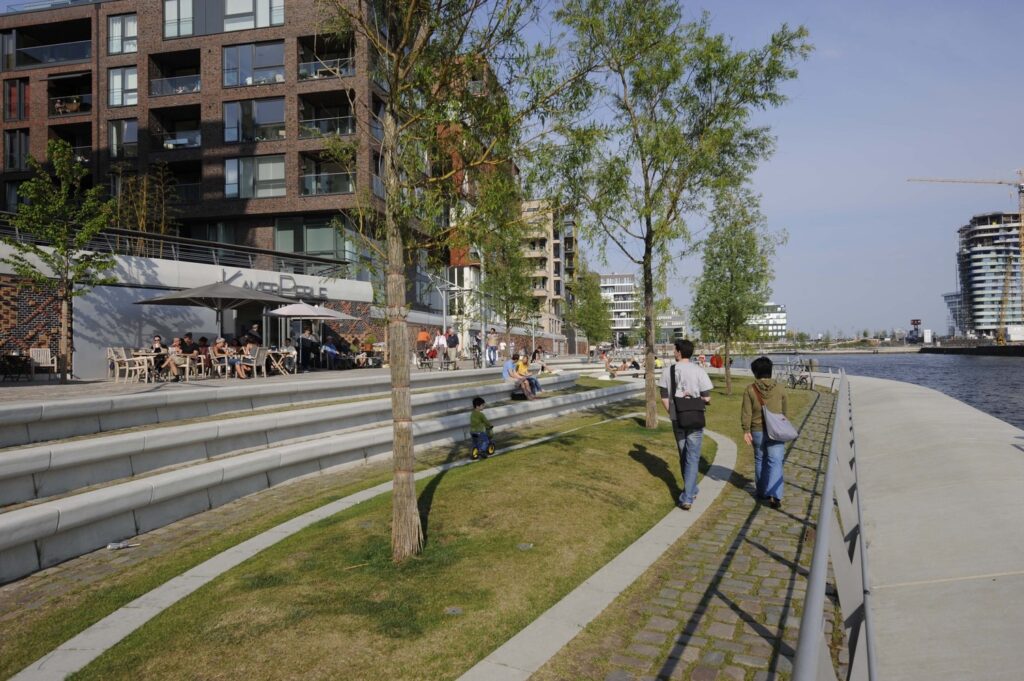
The typical port atmosphere and the direct water access at Dalmannkai Promenade already attracts many visitors
Even in the absence of immediate public policies, Small individual actions can contribute to the preservation of urban waterways.. Here are some important practices:
Responsible disposal: Avoid pouring oil, medications, or chemicals down the drains. They contaminate the water and overload the treatment systems.
Trash in the right place: Separate your trash properly and don't dispose of waste in inappropriate places.
Awareness: Share information about the importance of rivers and riparian forests.
Water conservation: Reduce consumption to minimize the impact of sewage on river systems.
Preservation of riverbanks: Report fires and deforestation near springs and rivers.
Combating pollution: Report leaks, trash, and illegal sewage connections to the authorities.
Less plastic, more reuse: Reduce your use of disposable plastics, which often end up in urban waterways.
Restoring our rivers is also about restoring the health, beauty, and identity of our cities. Linear parks and green infrastructure are bridges between the urban and the natural world — and the first step in this transformation can begin with you.
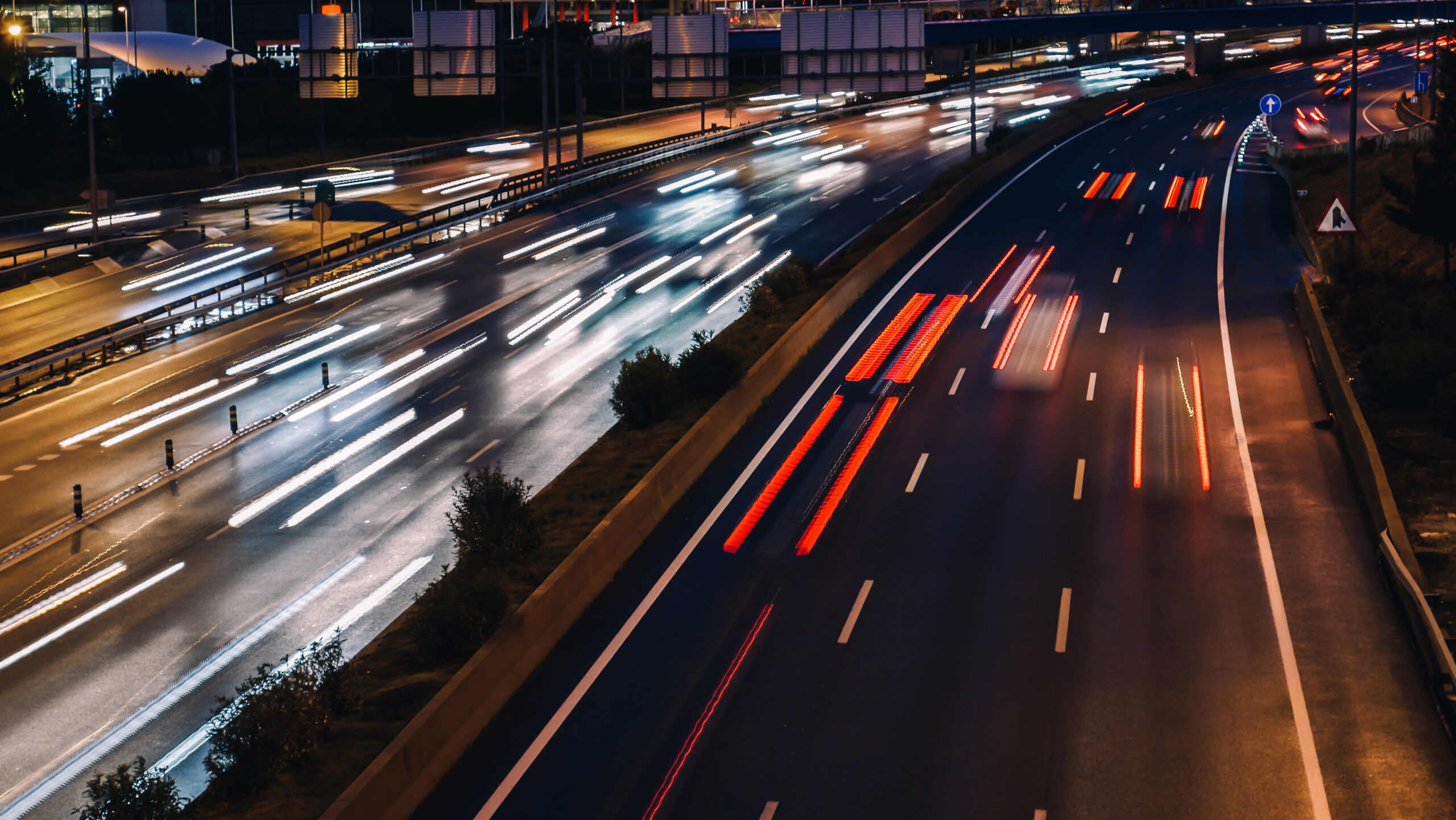
Brazilian roads accumulate functions that their original design did not foresee. Redistributing the road section and taking care of the pedestrian scale…
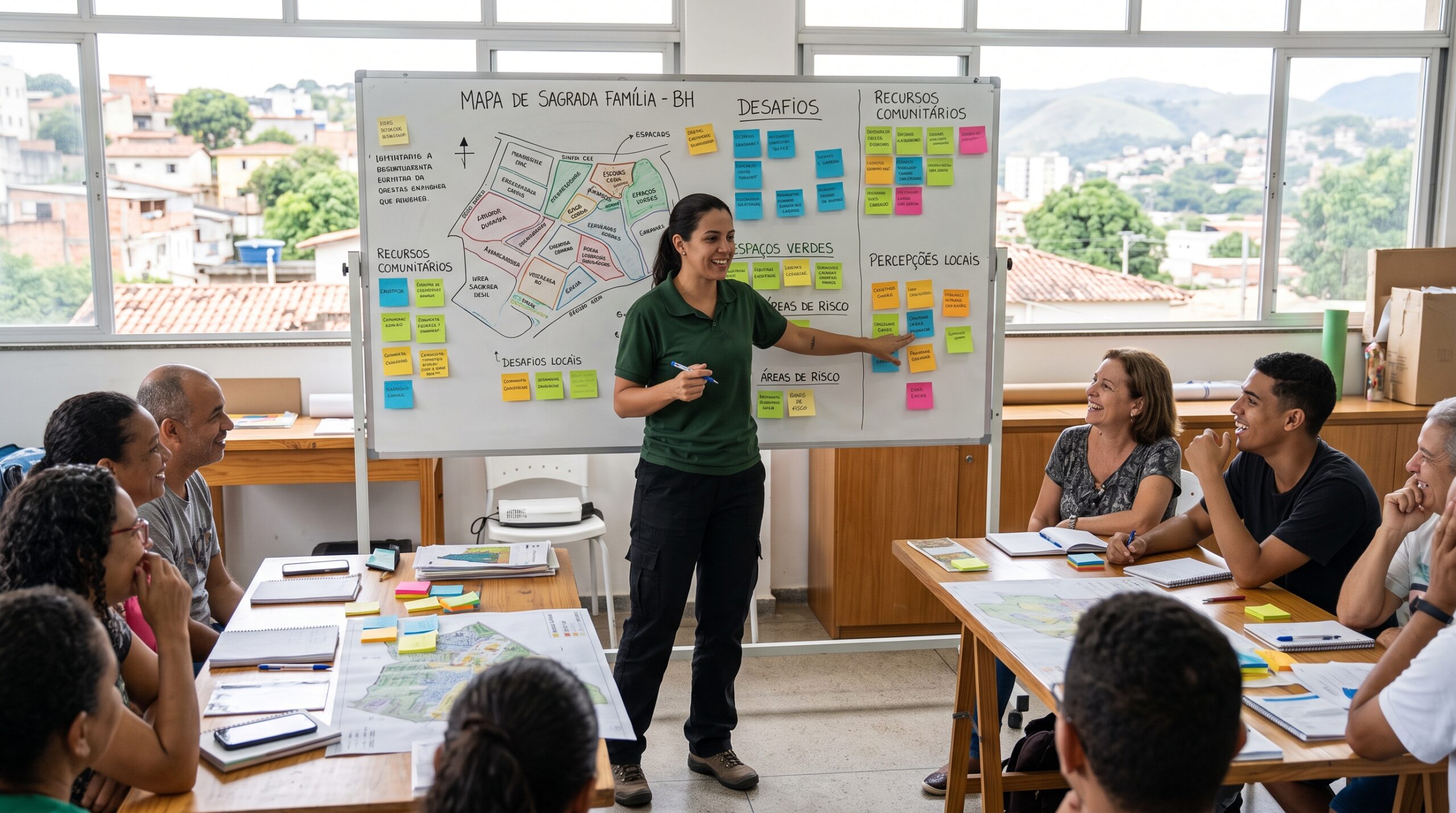
It is crucial to remember that the concept of "environment" extends beyond the physical-natural dimension to encompass the social world. The strategies…