Old Clothes, New Destiny: How and Why to Recycle Textiles in Urban Areas
August 16, 2024
By Victor Gabriel
EnvironmentNatural ResourcesWasteSocialTendencies
Recycling is one of the best-known and most accessible ways to practice environmental awareness—especially in cities, where the production and consumption cycle is accelerated and often exceeds the absorption capacity of landfills. In this context, rethinking the fate of the materials we discard It is a fundamental attitude for minimizing the environmental impacts of our urban way of life.
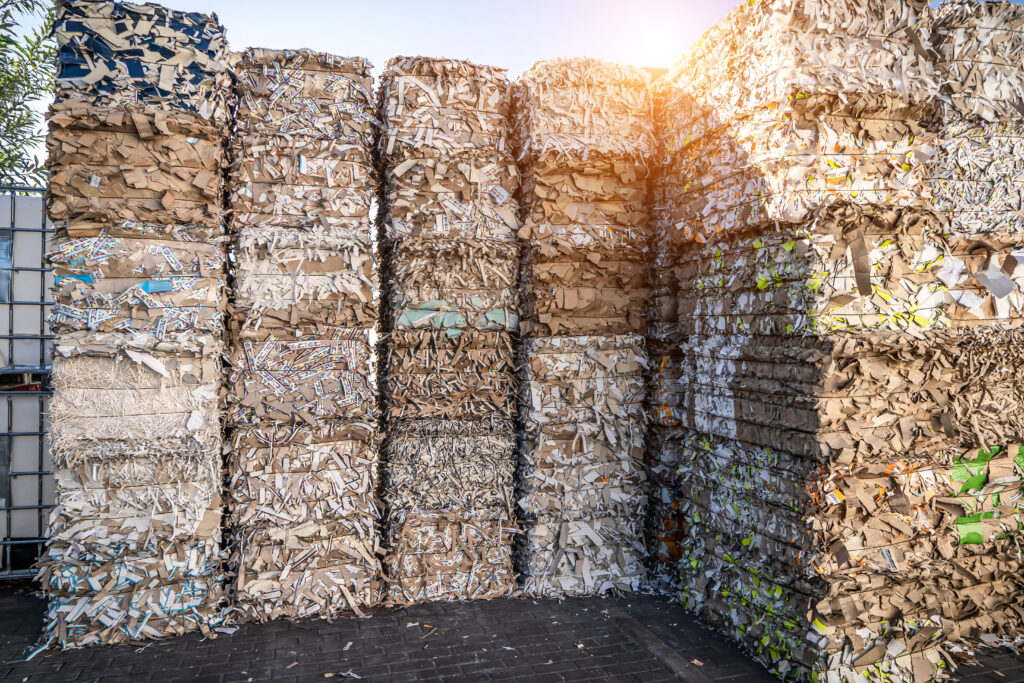
Among the types of waste that are growing most silently in the world is one that is often overlooked, but extremely common: the clothes. The fashion industry, with its rapid turnover, causes tons of clothing to be discarded daily—often improperly.
What can be recycled?
Fabrics such as cotton, wool, denim and various scraps They are recyclable and can be reused through industrial processes or transformed into new products. Materials such as... polyester, Because they are derived from fossil sources and often mixed with other fibers, they have a more complex recycling process. The same applies to synthetic fabrics and genuine leather, which require specific treatment.
Therefore, it is important Do not throw clothes in the regular trash., but seek more sustainable alternatives to extend its lifespan or ensure its proper disposal.
Where to take your clothes?
Many stores and institutions have been investing in initiatives for collecting and recycling clothes, taking an active role in what is called reverse logistics. Movements such as Recycle, Eco-style, Circular Reserve, Cotton Move and Socks for Good They provide collection points and ensure that the items are sent to appropriate destinations — whether for recycling, reuse, or donation.
Before participating, it is important to verify What types of clothing are acceptable? For each program, check the initiatives' websites or inquire directly at the collection points.
Rethinking Consumption Is Also Recycling
More than recycling, it's essential. rethink consumption habits. Fast fashion, known as Fast Fashion, This encourages premature disposal and impulse buying, which significantly contributes to the generation of textile waste. A more sustainable alternative is to opt for more durable items, reuse clothes for longer, swap with friends, or donate those in good condition to social institutions.
Each piece of clothing carries energy, natural resources, and human labor. Giving them a new purpose is an act of caring for the planet — and a smart way to transform waste into opportunities.
Brazilian roads accumulate functions that their original design did not foresee. Redistributing the road section and taking care of the pedestrian scale…
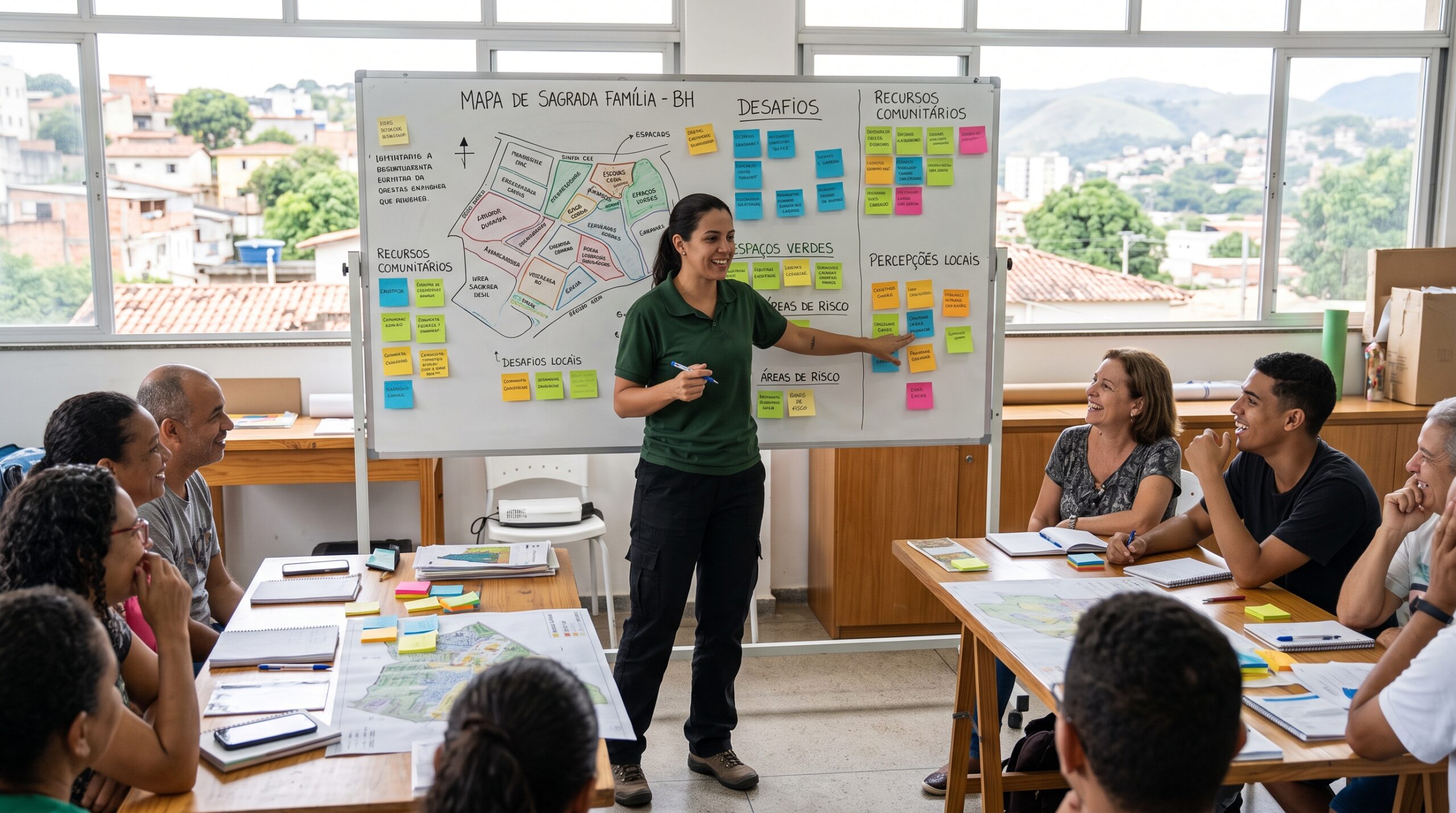
It is crucial to remember that the concept of "environment" extends beyond the physical-natural dimension to encompass the social world. The strategies…