Building an accessible city goes far beyond installing ramps or marking out special parking spaces. According to Brazilian accessibility standards, NBR 9050, Accessibility is the possibility for all people, including those with disabilities or reduced mobility, to use public spaces and equipment safely and independently.
More than adapting what already exists, the concept of universal design It has become established as a comprehensive and transformative approach. It proposes that products, environments, and services be designed from the outset to cater to the largest possible number of people, considering different age groups, physical abilities, and sensory needs.
The seven principles that guide universal design are:
Equitable use
Flexibility of use
Simple and intuitive to use.
Perceptible information
Error tolerance
Low physical effort
Dimensions and spaces for approach and use.
When we reflect on our cities, we realize that there is still a strong legacy of an urban model geared towards automobiles. Narrow and uneven sidewalks, lack of tactile paving, poorly positioned crosswalks—all of this makes urban mobility a challenge, not only for people with disabilities, but for any citizen: an elderly person, a pregnant woman, someone carrying bags or a child.
Improving accessibility is more than just following rules: it's about rethinking public spaces in a sensitive and inclusive way. Standards exist to establish the minimum. Designing beyond that is a choice of empathy and respect for diversity.
Challenges and innovation in urban accessibility: the Friendship Park in Montevideo
Despite advances in legislation and awareness regarding urban accessibility since 2015, implementation challenges remain significant. In many cases, the idea that accessibility is "for the few" limits creativity and hinders more inclusive and integrated solutions within the urban context.
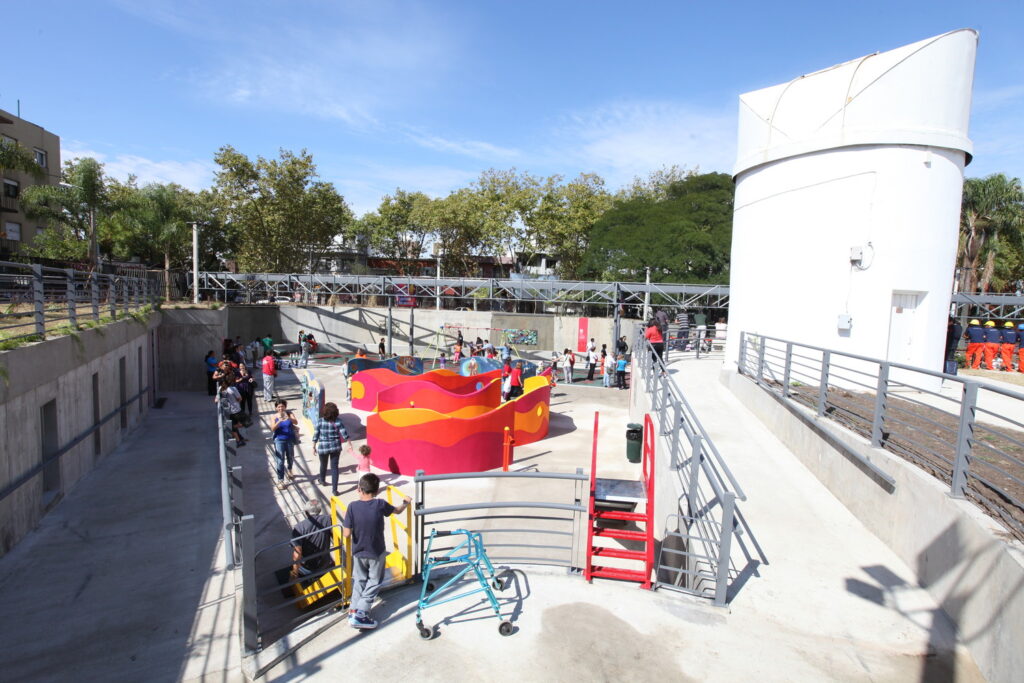
Reproduction: Marcelo Roux
It is common to associate accessibility with heavy structures or visibly adaptive elements. However, projects such as the Friendship Park, The exhibits, located next to the Municipal Planetarium in Montevideo, Uruguay, show that it is possible to do things differently.
The park was designed with the goal of being fully inclusive — the first in the country with this premise. The terrain, originally sloping, was adapted with the creation of horizontal platforms, which not only facilitated access but also created natural barriers against noise and traffic, ensuring greater safety and comfort.
Other strategies adopted include:
Use of colors and textures in equipment to facilitate tactile and visual identification;
Installation of accessible restrooms and drinking fountains;
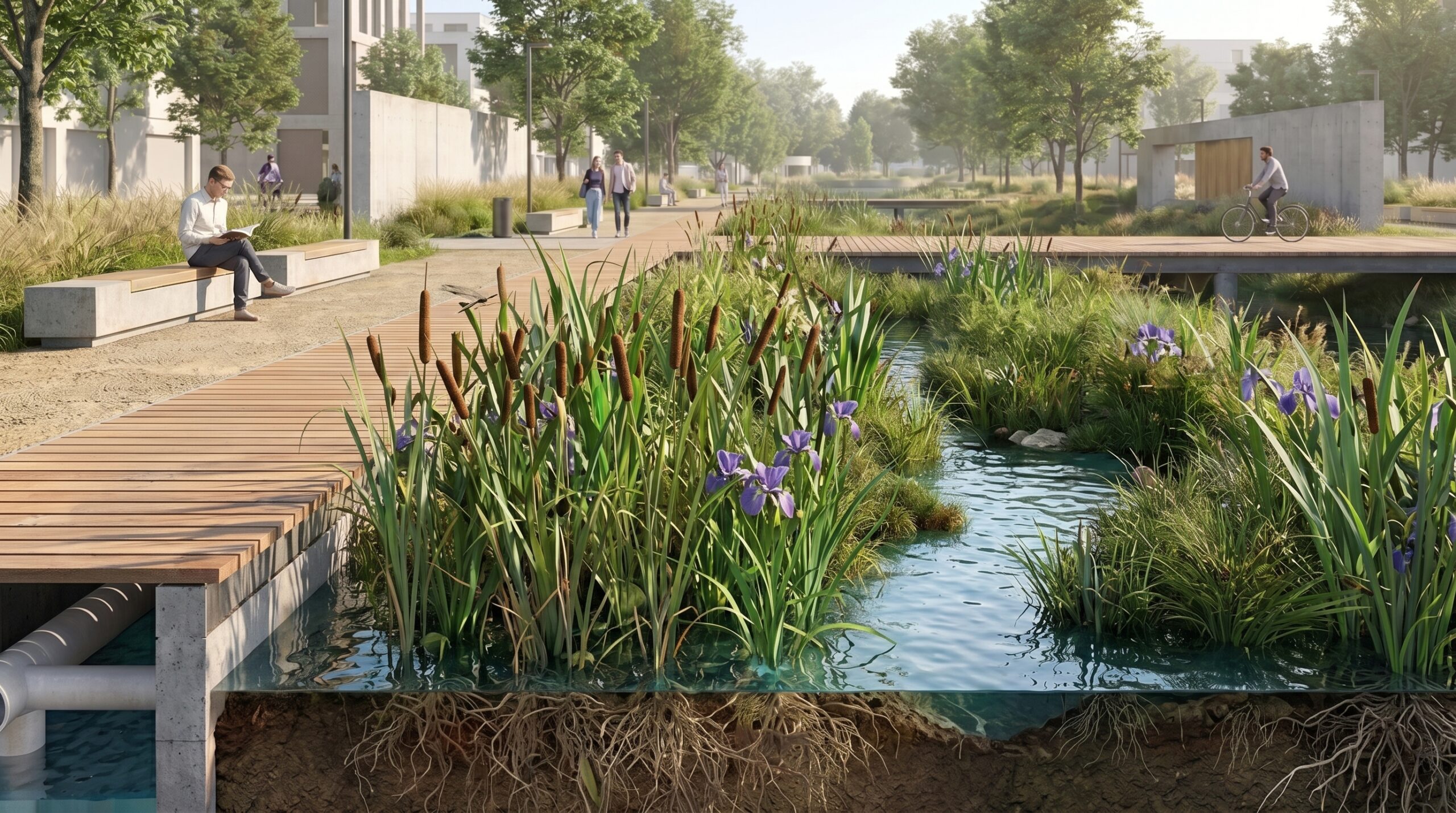
Integrating water as an element of leisure and contemplation, accessible to all.
Reproduction: Marcelo Roux
This type of initiative transforms the urban experience. Instead of an exclusionary environment, inviting spaces emerge for playing, resting, and interacting—true havens amidst the fast pace of cities.
Sustainability in action: the proper disposal of electronic waste.
With the advancement of technologies and the accelerated consumption of electronic devices, the generation of [new devices] is also growing. electronic waste, This includes items ranging from old televisions to broken headphones. The problem is that this type of waste cannot be disposed of with regular trash, as many of its components contain toxic substances, such as heavy metals, that contaminate the soil and water.
Fortunately, Belo Horizonte has specific locations for the proper disposal of these materials. Check out some of them:
Prodabel (Information Technology and Information Company of the Municipality of Belo Horizonte)
Free home collection with prior scheduling.
Voluntary delivery: Rua José Clemente Pereira, 440 – Ipiranga neighborhood
Phone stores
They accept cell phones, chargers, headphones, and similar accessories.
Casas Bahia stores
Some stores accept electronic waste through voluntary drop-off.
Adopting responsible disposal practices is a simple action that contributes to environmental health and the reuse of recyclable materials. Electronic waste, when properly disposed of, can be reused by cooperatives or specialized companies, generating income and reducing environmental impact.
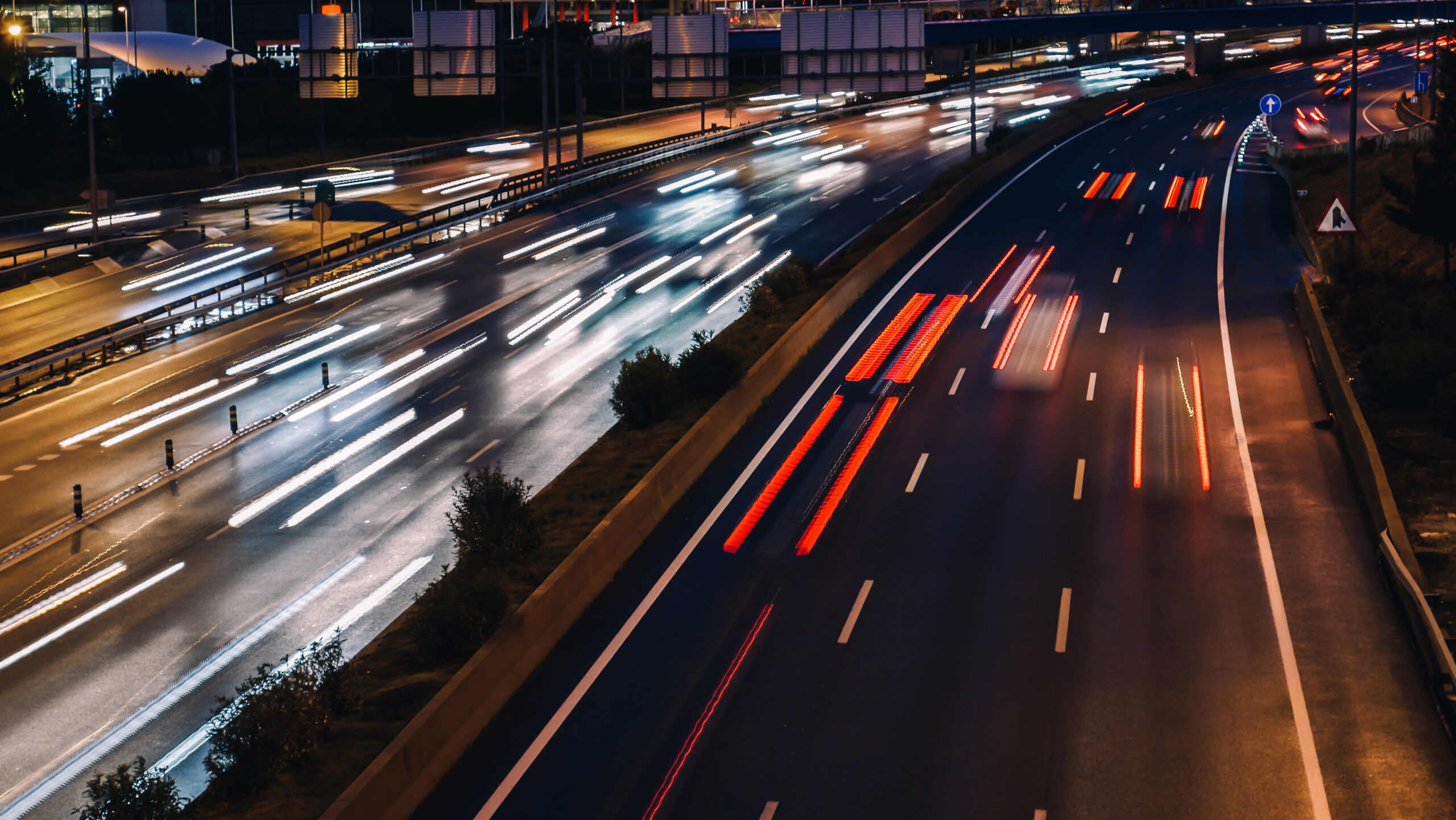
Brazilian roads accumulate functions that their original design did not foresee. Redistributing the road section and taking care of the pedestrian scale…
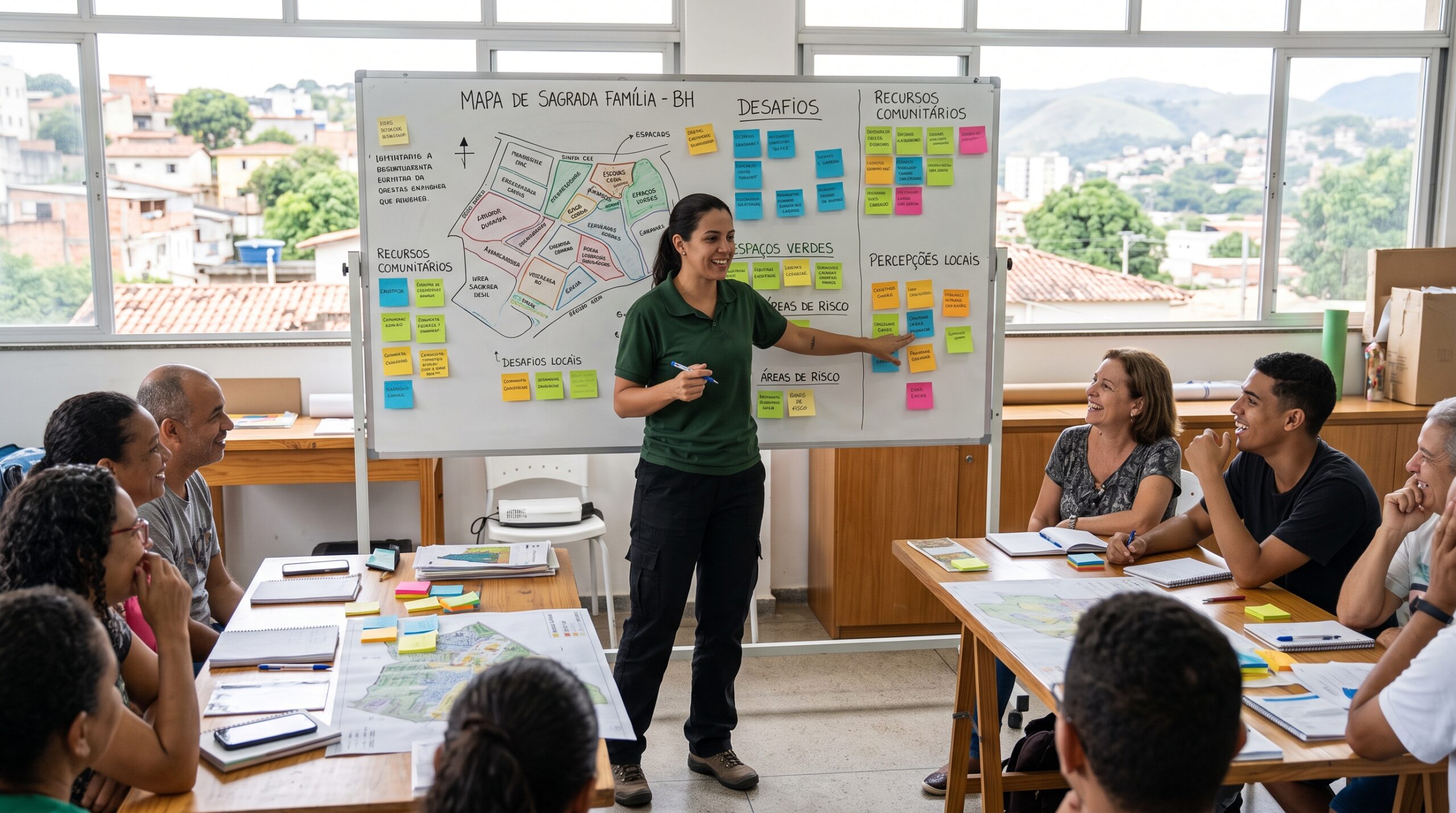
It is crucial to remember that the concept of "environment" extends beyond the physical-natural dimension to encompass the social world. The strategies…