Sustainable Housing: dignity and innovation for underprivileged communities
April 19, 2024
By Victoria Rodrigues
AccessibilityCasesSocialSolutionsTendencies
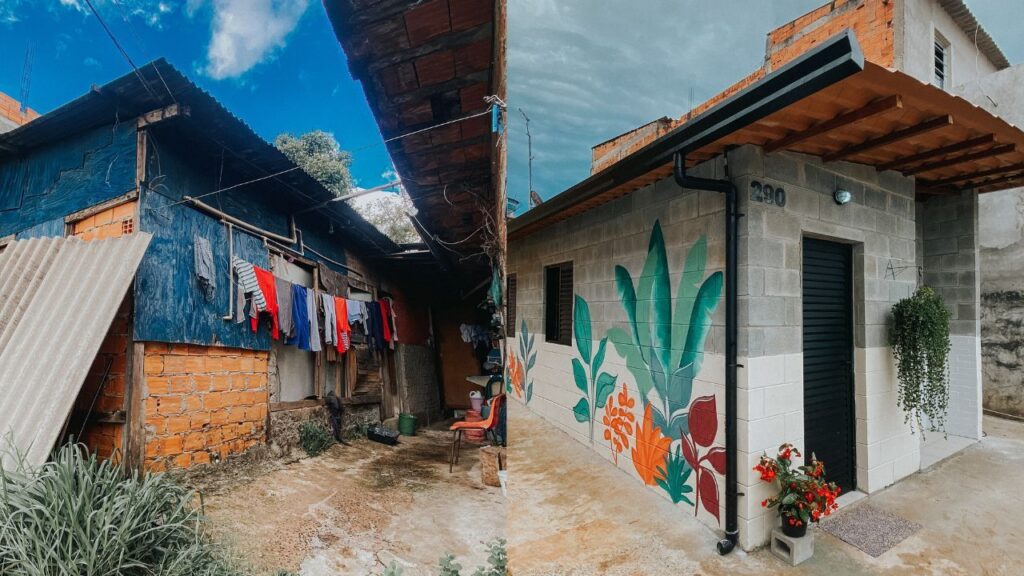
In recent years, sustainable architecture has gained traction as a response to the environmental challenges of the construction industry. But beyond reducing ecological impacts, it has proven to be a powerful tool for transforming lives—especially in underprivileged communities, where access to decent housing remains a distant reality for many.
More than just erecting walls, several projects have proven that it is possible to build sustainable, accessible homes that contribute to the social and economic empowerment of the populations served.
Architecture that empowers
Publicity: Architecture in the Periphery
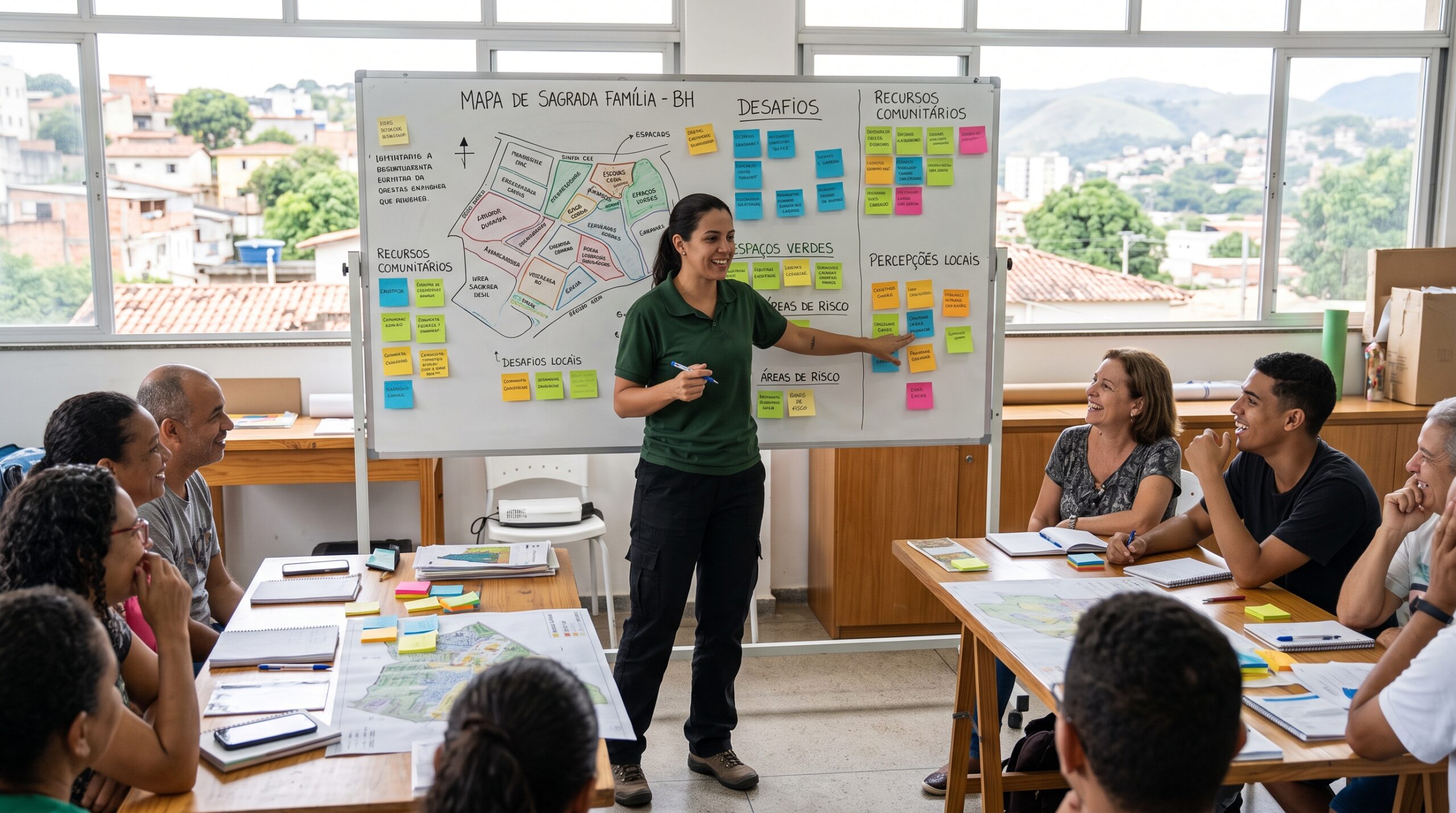
The project Architecture in the Periphery This is a notable example of this approach. Working in low-income areas, the initiative combines sustainable construction techniques with the promotion of female autonomy and community participation. The residents themselves are involved in the entire process — from planning to construction — strengthening local ties and promoting empowerment through technical knowledge and self-management.
Education and sustainability side by side.
Another highlight is the project. School, from the NGO Mangalô, This program goes beyond simply building homes. Focusing on environmental education and the training of community leaders, it seeks to transform the local reality through the holistic development of the families served. The houses are designed with low-impact materials, good natural ventilation, and rainwater harvesting, while residents receive training to share this knowledge.
Integrated solutions and expanded impact
The organization BuildConstruide is also establishing itself as a benchmark in this field. With a comprehensive approach that includes access to basic sanitation, renewable energy, and potable water, Construide works to improve not only homes but the overall quality of life. Its constructions are made with sustainable materials and designed to be efficient, safe, and adaptable to the conditions of the communities in which they are located.
Mobilization and belonging
The organization ROOF, TETO, operating in various regions of Brazil, relies on the power of social mobilization. Its model includes the direct involvement of volunteers and residents in construction, which contributes to a sense of belonging and strengthens community ties. With short-term projects, TETO builds sustainable emergency housing, but also works in processes of coordination with public authorities and in advocating for more inclusive housing policies.
Much more than just housing.
These initiatives demonstrate that architecture and urban planning can be powerful instruments of social transformation. When combined with sustainability and the active participation of communities, housing projects transcend the idea of physical shelter and become seeds of hope, dignity, and inclusion. Each house built is, in fact, a concrete step towards a more just, resilient, and sustainable future.
Brazilian roads accumulate functions that their original design did not foresee. Redistributing the road section and taking care of the pedestrian scale…
It is crucial to remember that the concept of "environment" extends beyond the physical-natural dimension to encompass the social world. The strategies…