Sustainable Urban Mobility: Pathways to Smart and Inclusive Cities
June 13, 2023
By Debora Rocha
CasesMobilityTendenciesUrban planning
Reducing emissions, expanding access, and reorganizing urban space: the pillars of a new logic of mobility in Brazilian and global cities.
In an urban landscape increasingly marked by congestion, unequal access, and critical environmental impacts, the sustainable urban mobility It is consolidating itself as a strategic axis for the future of cities. More than a trend, it is an urgent necessity for building more equitable, efficient, and environmentally resilient territories.
This concept proposes a new logic of mobility, which prioritizes means of transport with less environmental and social impact — such as public transport, bicycles, walking, and vehicle sharing systems — over the hegemony of individual motorized transport.
Urban Challenges and the Role of Sustainable Mobility
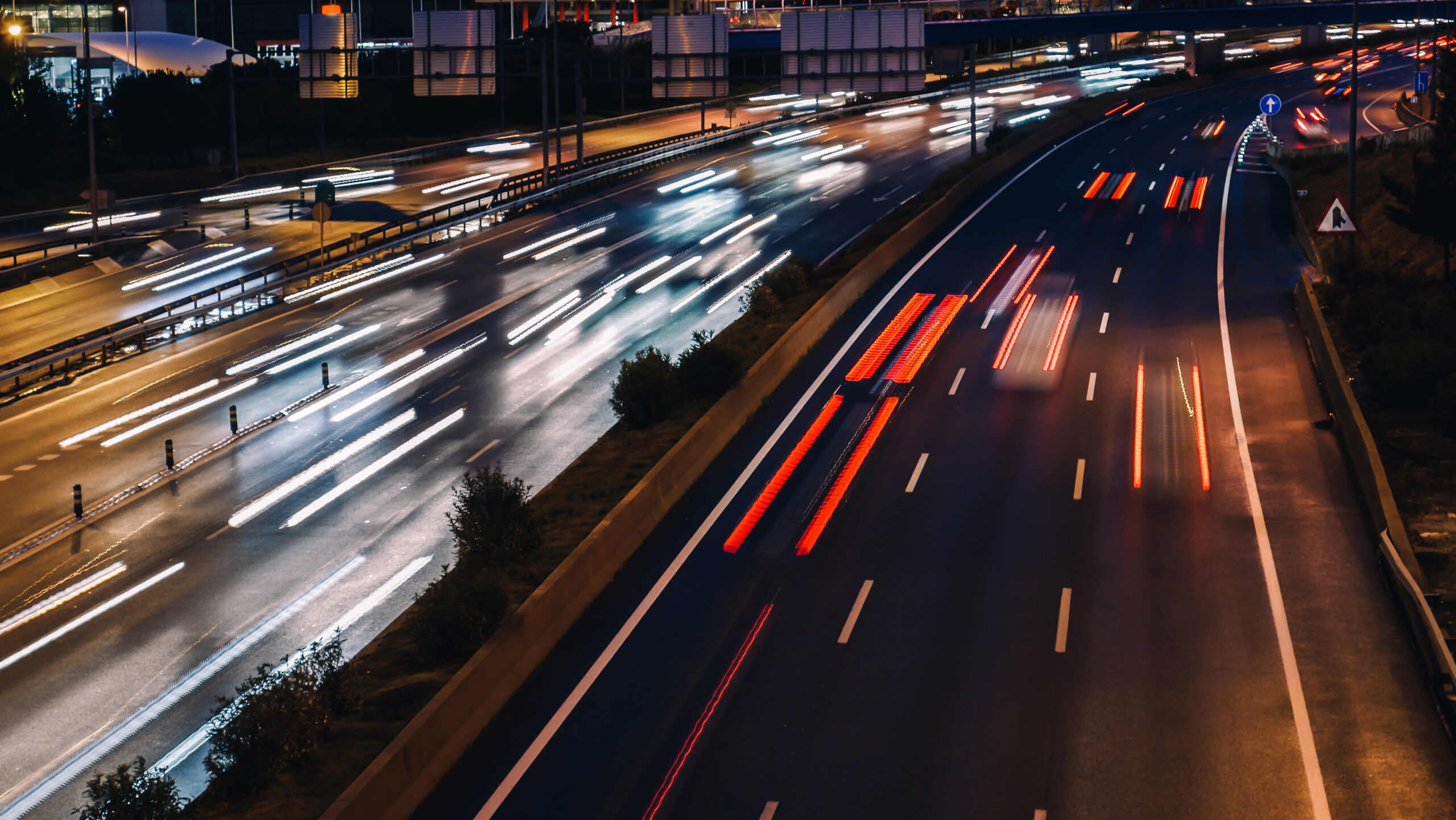
The mobility crisis in Brazilian cities reflects decades of an urban model centered on the automobile. The consequences are visible: intense traffic, environmental degradation, increased greenhouse gas emissions, and social exclusion. Sustainable urban mobility emerges as a systemic response to this situation, promoting more efficient, safe, and accessible travel, aligned with global decarbonization commitments and the Sustainable Development Goals (SDGs).
Among the central tenets of this approach are:
Reducing dependence on automobiles private use as the main means of transportation;
Modal integration, with seamless connections between buses, subways, bicycles, walking, and new light rail modes;
Social inclusion through accessible transportation, with fair fares and quality infrastructure for all types of users;
Promoting active mobility, encouraging healthier and more sustainable ways of getting around.
Investments in Infrastructure and Strategic Planning
The consolidation of sustainable mobility requires integrated physical interventions and public policies. From an infrastructure perspective, the following stand out:
Safe and connected bike lanes and cycle paths, allowing the continued use of the bicycle as a means of daily transportation;
Exclusive bus lanes, which ensure efficiency and predictability in travel;
Accessible sidewalks, with adequate quality and width, allowing for the safe circulation of pedestrians, especially people with disabilities and reduced mobility;
Integrated stations and unified ticketing., promoting interoperability between different modes of transport.
Furthermore, the transit-oriented urban planning — known as TOD (Transit-Oriented DevelopmentThis should be used to develop compact, high-density, mixed-use neighborhoods around public transportation hubs, reducing the need for long, motorized commutes.
Public Transportation and Bicycles: Strategic Alternatives
Public transportation remains a key element of sustainable mobility. Buses, subways, and urban trains offer... greater transport capacity, lower pollutant emissions per passenger and promote social cohesion, by connecting peripheral areas to work and service centers.
For public transportation to be a truly attractive alternative, it is essential to:
To guarantee frequency, punctuality and comfort;
Implement embedded technology and user information systems;
Offer fare integration, reducing costs and facilitating connections between modes of transport.
Meanwhile, the bicycle is emerging as a complementary and strategic solution, especially for short trips. Sustainable, healthy, and economical, its adoption depends on the creation of safe and inviting urban environments for cycling.
A practical example is the project of Ecominas, in partnership with Directional, in the city of Belo Horizonte (MG). The initiative implemented a two-way cycle lane over the central reservation of Avenida Francisco Firmo de Matos, focusing on the safety of cyclists and pedestrians, as well as the landscaping of road turnarounds. Projects like this demonstrate how well-structured local actions can directly impact mobility and urban quality of life.
Expected Results and Future Paths
The benefits of sustainable urban mobility are extensive:
Reducing emissions and improving air quality.;
Traffic congestion reduction;
Increased physical activity of the population and promotion of public health;
Strengthening social cohesion and equity in access to urban services.
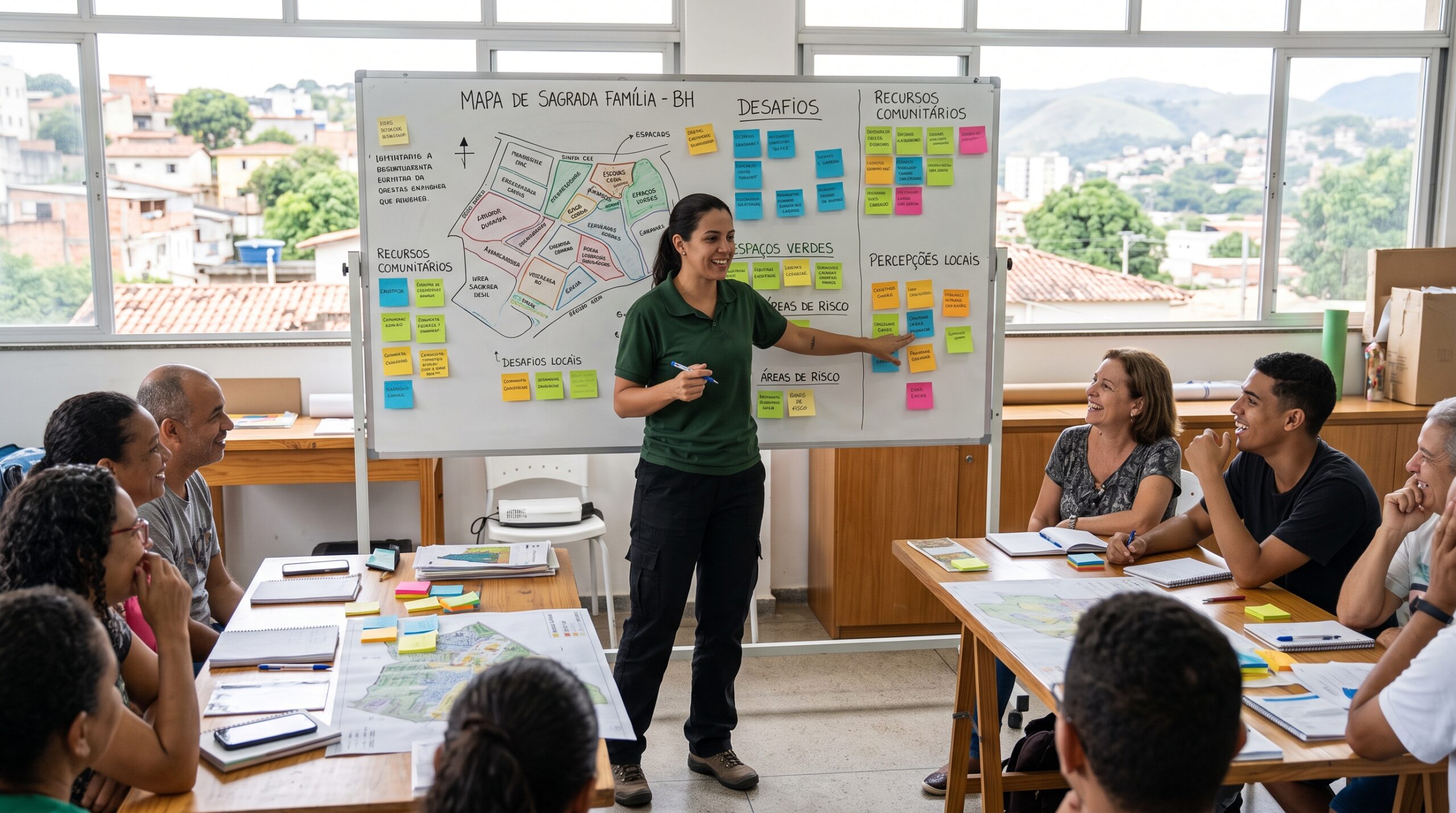
However, its implementation requires coordination between different sectors, This involves governments, the private sector, academia, and, above all, civil society. Popular participation in defining mobility priorities is fundamental to ensuring solutions tailored to local realities.
Conclusion
Sustainable urban mobility is not just a planning goal: it's a cultural transformation. It requires rethinking urban space, reorganizing flows, prioritizing the collective over the individual, and placing people at the center of decisions about the city.
At a time when the climate crisis and urban inequality pose complex challenges, investing in sustainable mobility is investing in smarter, more humane cities that are prepared for the future.
Brazilian roads accumulate functions that their original design did not foresee. Redistributing the road section and taking care of the pedestrian scale…
It is crucial to remember that the concept of "environment" extends beyond the physical-natural dimension to encompass the social world. The strategies…