Although meat has a prominent presence in global food culture, it is crucial to recognize the impacts that its large-scale production has on the environment. According to the Brazilian Vegetarian Society, the meat production chain – especially beef – is directly linked to several environmental problems, such as deforestation and the emission of greenhouse gases.
Livestock farming is responsible for approximately 14.51 Tbp of global emissions of these gases, primarily methane and nitrous oxide, released during ruminant digestion and the decomposition of organic waste. Furthermore, to sustain extensive cattle ranching, vast natural areas are converted into pastures, leading to deforestation in sensitive ecosystems such as the Amazon. This practice results in biodiversity loss, soil degradation, and ecological imbalance.
Given this scenario, sustainable alternatives are being proposed. One of them is the adoption of practices such as "Meatless Monday," which consists of reducing meat consumption once a week. This simple change, when adopted on a large scale, can generate significant positive environmental impacts.
Another important point is to value local and more sustainable production, prioritizing foods with a smaller carbon footprint. In addition to reducing environmental impact, this choice strengthens the regional economy and contributes to fairer and more balanced food systems.
Adopting a more diverse diet, incorporating vegetarian or vegan recipes, can also be an effective way to reduce environmental damage and discover new culinary experiences. Gradual changes in consumption patterns are, therefore, a viable path towards a more conscious and environmentally responsible society.
Revolution of Sustainable Agriculture
Sustainable agriculture represents a new paradigm in food production, promoting a balance between agricultural productivity, environmental preservation, and social development. This approach proposes a break with conventional intensive farming models, integrating techniques that respect natural cycles and promote the rational use of resources.
Among the pillars of this agricultural revolution is the appreciation of biodiversity. Crop diversification, as opposed to monoculture, contributes to ecological balance, soil regeneration, and the natural control of pests and diseases. In this way, the agricultural system becomes more resilient to climate variations and less dependent on chemical inputs.
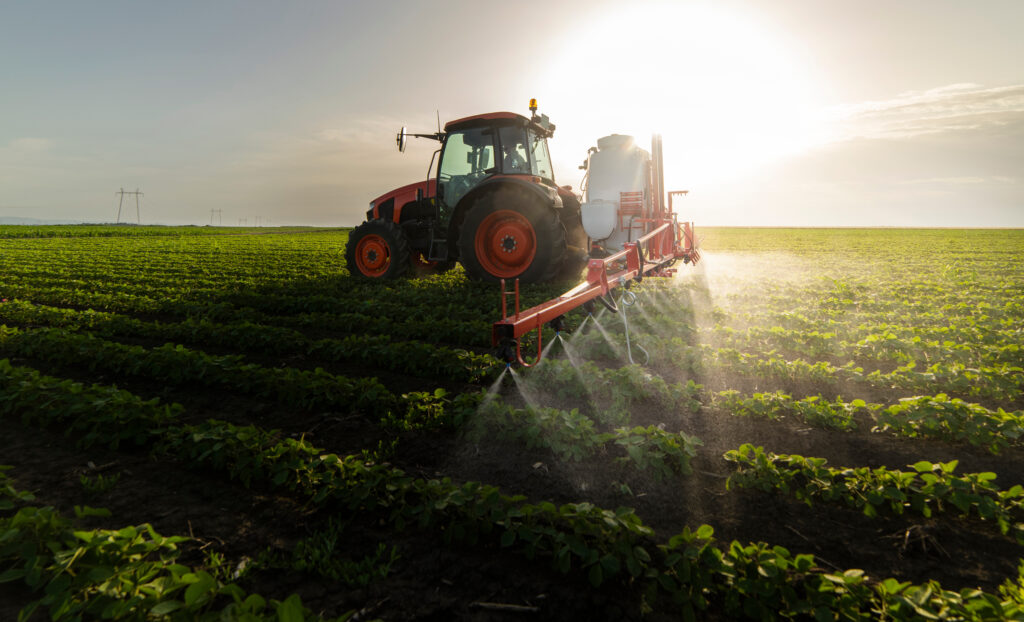
Tractor spraying pesticides on soy field with sprayer at spring
The soil is another key player in sustainable agriculture. Instead of the excessive use of synthetic fertilizers and pesticides, ecological management practices and organic fertilization are employed, strengthening the soil structure and increasing its productive capacity over time.
In addition to environmental benefits, sustainable agriculture boosts the local economy by fostering family farming. This model generates jobs in rural areas, promotes food security for communities, and encourages short supply chains, connecting producers and consumers in a more direct and transparent way.
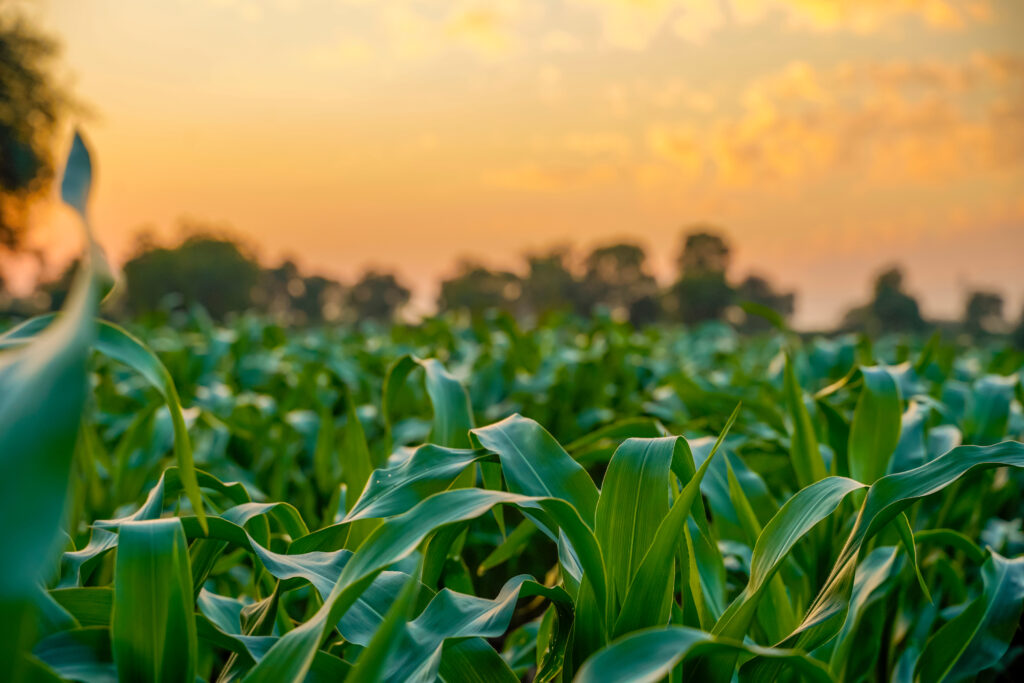
Green sorghum agriculture field with sky background.
In the use of water and energy resources, sustainable agriculture also stands out. Techniques such as drip irrigation and rainwater harvesting reduce water consumption. Similarly, the adoption of renewable energy sources contributes to the reduction of carbon emissions and the fight against climate change.
More than a set of techniques, sustainable agriculture is a philosophy of respect for life, nature, and future generations. Supporting this practice is essential to ensure a food system that is simultaneously productive, inclusive, and ecologically balanced.
Brazilian roads accumulate functions that their original design did not foresee. Redistributing the road section and taking care of the pedestrian scale…
It is crucial to remember that the concept of "environment" extends beyond the physical-natural dimension to encompass the social world. The strategies…