Black Awareness Day, celebrated on November 20th, often reaches boardrooms as a date for cultural reflection or internal marketing initiatives. However, for the productive sector—especially mining, real estate, and infrastructure—this date carries a much deeper and more technical imperative: the understanding that sustainability is a holistic concept. It is not possible to dissociate environmental protection from social equity.
At Ecominas, after 23 years of operating in compliance with the law, we have observed a tectonic shift in the market. Environmental licensing is no longer just about fauna, flora, and noise. It is increasingly about people, stories, and territories. And in Brazil, the history of territories is inseparable from the history of the Black population.
The Missing Link of Conformity
Many managers still view ESG (Environmental, Social and GovernanceThey invest millions in low-carbon technologies (the 'E'), but treat social impact (the 'S') as philanthropy. This is a costly strategic error.
The real Strategic Sustainability It understands that racial and social inequality is a systemic risk. Businesses that establish themselves in vulnerable territories without a focus on reparation and inclusion face resistance, conflict, and legal uncertainty.
The “Social License to Operate” — an intangible but valuable asset — depends directly on how the company engages with the real demographics of the area where it operates. If we ignore that the populations most affected by environmental impacts or urban exclusion are, statistically, Black and marginalized populations, our Neighborhood Impact Study (EIV) or our Environmental Control Plan (PCA) are born incomplete.
Repair as a Business Strategy
When we talk about "repair" in a corporate and regulatory context, we're not just talking about revisiting the past, but about designing a viable future.
For the real estate sector, for example, reparation translates into urban planning projects that do not segregate, but integrate. It means using the Environmental Impact Assessment (EIA) not only to mitigate traffic, but to understand how that new development can boost the local economy, which is largely composed of small Black entrepreneurs in the region.
For mining and industry, remediation is in the works. Conflict Mediation and us Social Communication Plans (PCS). It's about replacing the "we're here to exploit" attitude with the "we're here to develop" attitude. It's about ensuring that socioeconomic benefits effectively reach those who have historically been excluded from development.
The Holistic Vision: Where the Technical Meets the Human
The central thesis we defend at Ecominas is simple: There is no environmental sustainability without social justice.
You may have the best Solid Waste Management Plan (SWMP) on the market. But if the surrounding community of waste pickers—mostly Black and in a vulnerable situation—is not integrated into the value chain through reverse logistics or environmental education, your project continues to generate exclusion. It is technically correct, but strategically weak.
Modern legal compliance demands this perspective. IFC Performance Standards (International Finance Corporation), which oversees large-scale financing, is clear in requiring deep engagement with affected communities and the protection of vulnerable groups.
The Role of Ecominas
Our role is to translate this social complexity into technically sound and reliable solutions.
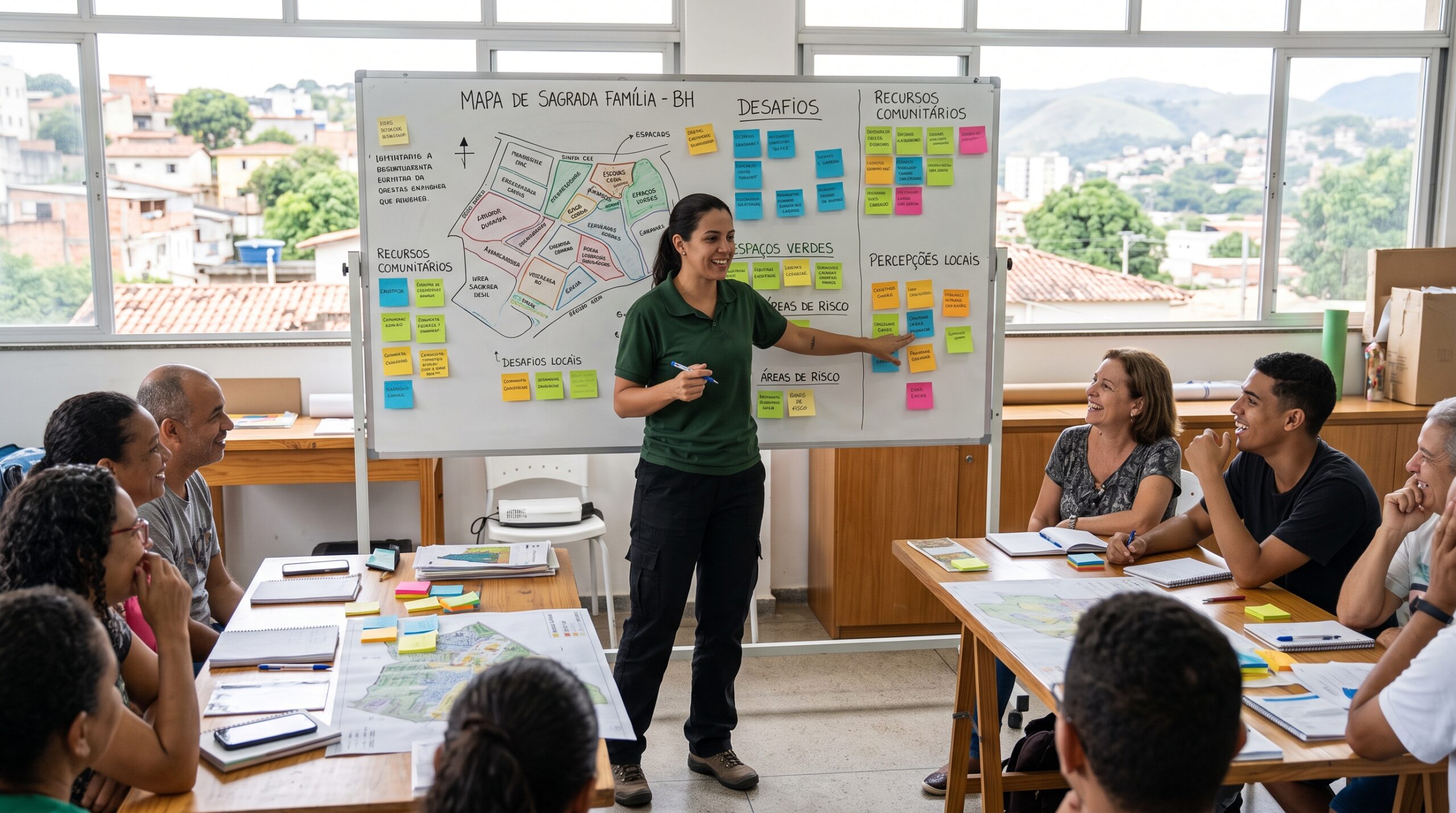
- In Urban Planning Licensing: We conduct Neighborhood Impact Studies (NIS) that map the demographic reality and propose mitigating measures that generate real social value for the local Black community.
- In Crisis Management: We work in Conflict Mediation with an approach sensitive to the historical reality of communities, transforming conflicts into constructive dialogues.
- In Environmental Education: Our programs are not generic lectures; they are designed to empower local communities, respecting their knowledge and strengthening their autonomy.
On this Black Awareness Day, Ecominas invites business owners and managers to change their perspective. Let's move away from bureaucratic compliance ("what the law dictates") and towards strategic intelligence ("what the future demands").