Tragedy in Rio Grande do Sul and the Urgent Need for More Permeable Cities
June 3, 2024
By Thamiris Rosa
EnvironmentSocialSolutionsUrban planning
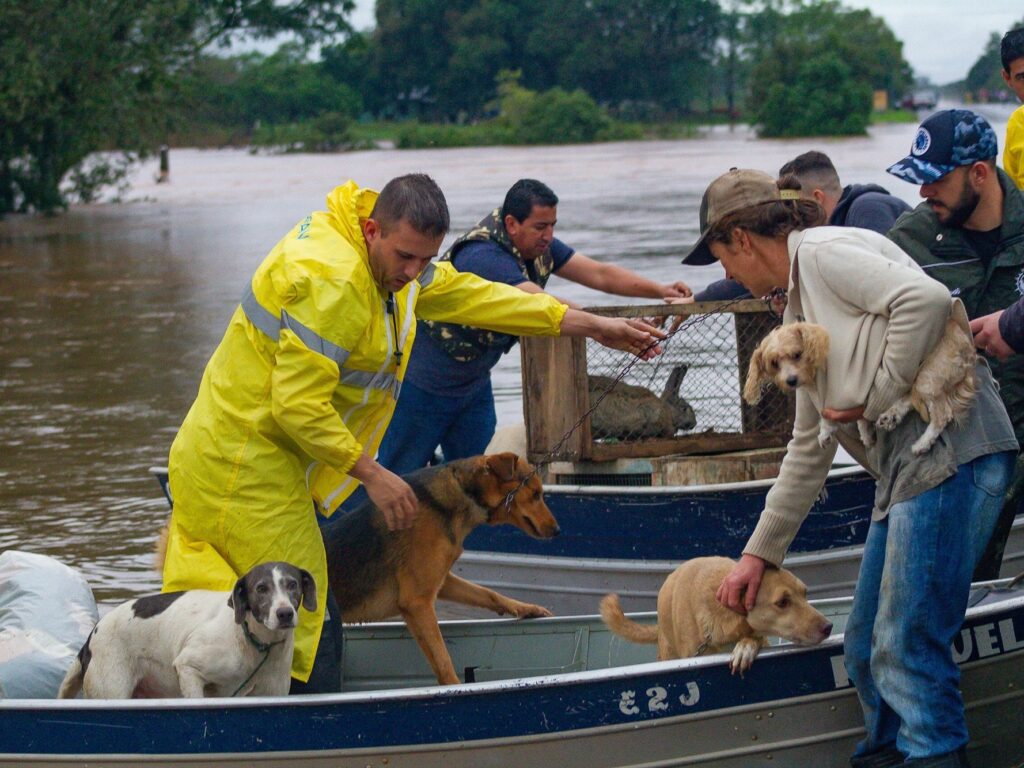
In recent months, Brazil has watched with sorrow the tragedy caused by the severe floods in Rio Grande do Sul. Entire communities were destroyed, lives were lost, and thousands of people were left homeless. This extreme event compels us to reflect, seriously and responsibly, on how we have structured our cities—especially regarding the essential role of permeable areas in urban environments.
What are permeable areas and why do they matter?
Permeable areas are spaces where the soil remains exposed or covered by materials that allow rainwater to infiltrate, such as gardens, lawns, parks, and vegetated areas. Unlike concrete, asphalt, and ceramic tiles, these surfaces absorb water, help control runoff, and promote ecological balance.
The benefits are diverse and directly impact the quality of life in cities:
Reducing the risk of flooding: Water infiltration into the soil prevents surface accumulation and relieves pressure on stormwater drainage systems.
Aquifer recharge: The return of water to the subsoil helps maintain natural reserves that supply urban and rural communities.
Improving air quality: Green areas filter air pollutants and contribute to oxygenation.
Reducing heat islands: Permeable spaces contribute to the thermal regulation of cities, mitigating the heat generated by paved surfaces.
The role of the citizen
Each of us can adopt practices that promote soil permeability and urban resilience:
Transform paved areas: Reduce the use of ceramics and concrete in backyards and sidewalks, replacing them with lawns, flowerbeds, or vegetable gardens.
Choose permeable materials: Use interlocking pavers, gravel, or eco-friendly paving materials in outdoor areas.
Adopt green roofs: In addition to allowing rainwater to be absorbed, they help to thermally insulate the building.
Value and preserve public green spaces: Parks, squares, and natural areas play a strategic role in urban sustainability.
The responsibility of public authorities
Beyond individual actions, it is essential that municipal, state, and federal governments make a firm commitment to sustainable urban planning.
Review of urban master plans: The protection and expansion of permeable areas should be a priority in public policies.
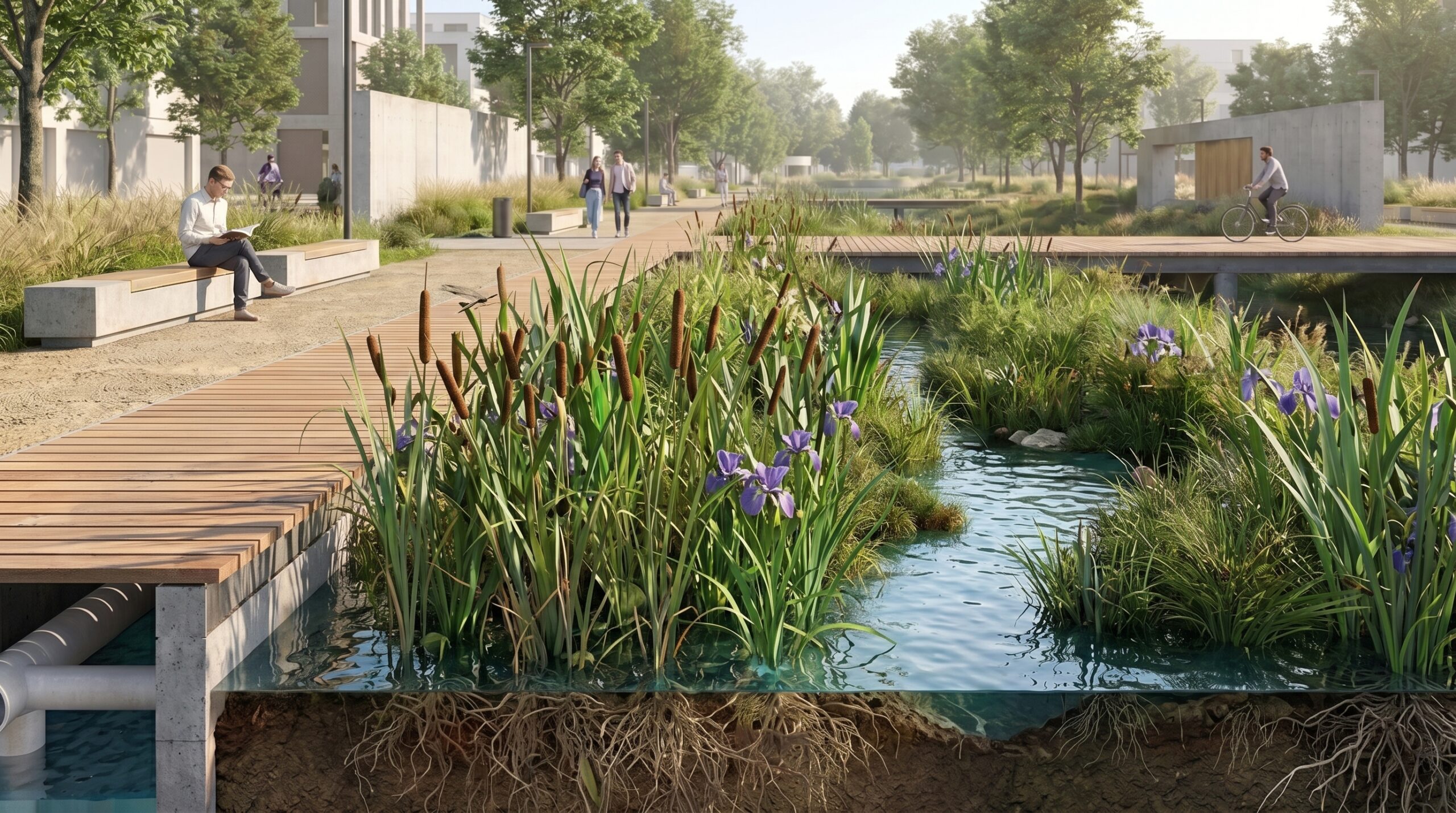
Implementation of green infrastructure: Rain gardens, infiltration basins, linear parks, and other nature-based solutions need to be part of the urban landscape.
Effective legislation and enforcement: It is necessary to regulate and monitor land use to prevent the indiscriminate expansion of land sealing.
Environmental education: Awareness campaigns can inform, engage, and mobilize the population to change their habits.
Image: Leandro Osório/Estadão Content
The tragedy in Rio Grande do Sul is more than a natural disaster—it's a warning. The historical negligence in urban planning and the rampant paving of our cities are exacting a high price. Preventing future disasters requires joint action between civil society, the private sector, and public authorities. It's time to prioritize solutions that respect the water cycle, value green spaces, and guarantee safer and more sustainable cities for all.
Permeable areas save lives. Let's rethink the present to protect the future.
Brazilian roads accumulate functions that their original design did not foresee. Redistributing the road section and taking care of the pedestrian scale…
It is crucial to remember that the concept of "environment" extends beyond the physical-natural dimension to encompass the social world. The strategies…