Urban Resilience: Lessons from Floods in the South and Sustainable Pathways for the Future
July 22, 2024
By Sabrina Di Blasio
CasesEnvironmentSolutionsTendenciesUrban planning
In May of this year, the entire country of Brazil mobilized in response to the tragedy that struck Rio Grande do Sul. Intense rains and floods affected more than two million people, leaving a trail of destruction and suffering. Solidarity spread throughout the country—but the episode also compels us to reflect on a structural issue: What urban planning decisions preceded this disaster and, more importantly, what paths will be followed from now on?
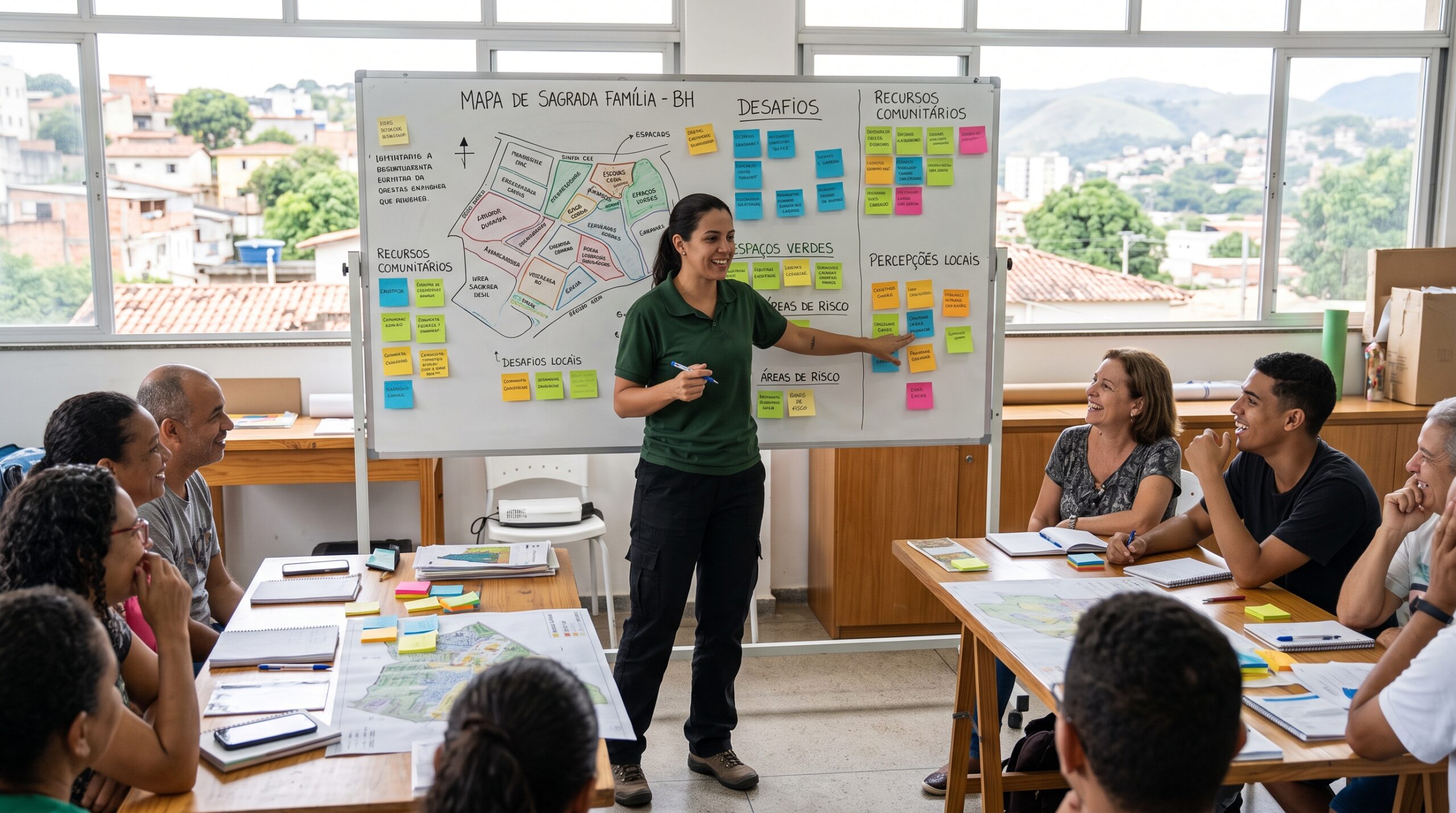
According to experts, extreme events like this are expected to become more frequent due to climate change. This reinforces the urgency of rethinking how our cities are planned and built. The reality is that a large part of Brazilian metropolises have developed rapidly, often occupying flood-prone areas and building on the banks of rivers and streams. Belo Horizonte, for example, faces annual floods that have become normalized in the daily lives of the population.
In the case of Rio Grande do Sul, the situation is even more delicate. Many cities are located on plains and near large bodies of water, such as the Guaíba River and the Lagoa dos Patos lagoon. Therefore, even localized changes in water levels can cause large-scale flooding—especially when urban drainage systems suffer from a lack of maintenance and investment, a direct responsibility of the public authorities.
Beyond the Tragedy: What to Do Now?
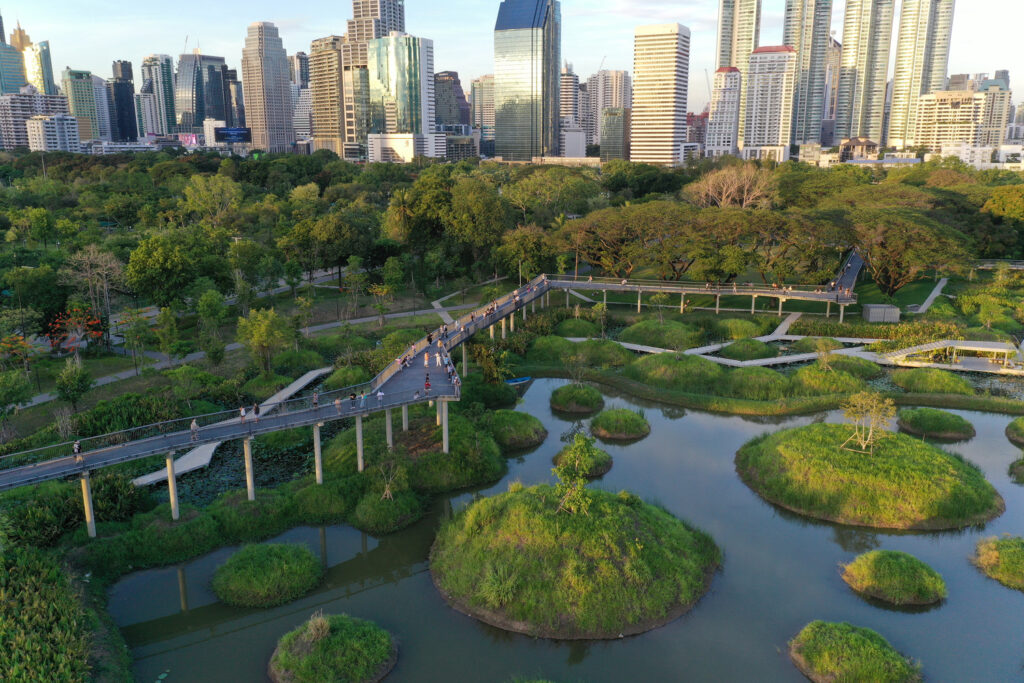
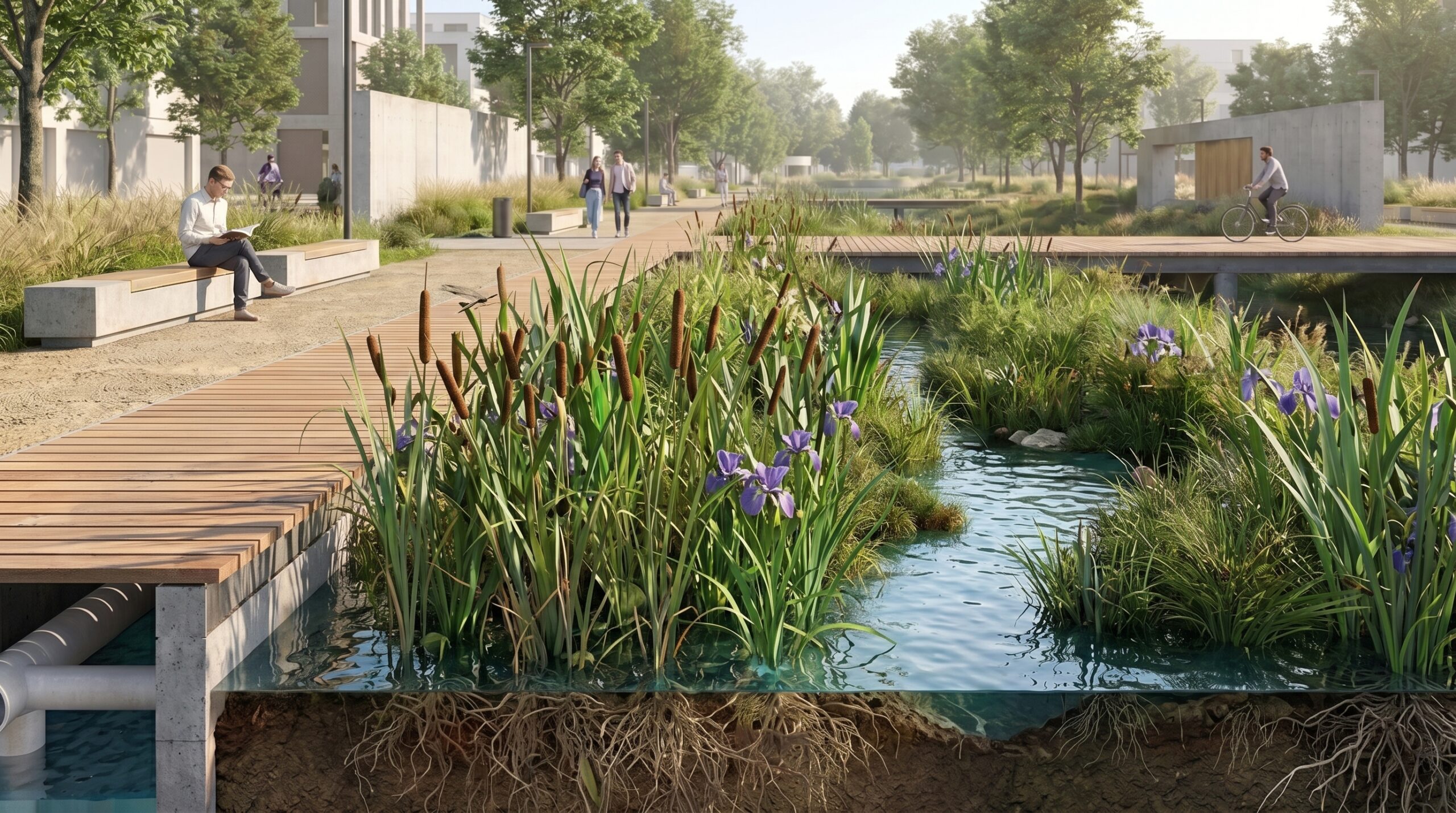
The question that keeps echoing is: How can we rebuild cities to be better prepared, safer, and more sustainable? Among the possible solutions, the concept of stands out. “"sponge cities"”, The project, conceived by Chinese landscape architect Kongjian Yu, is based on transforming the urban environment into a system capable of absorbing, storing, and filtering rainwater—not just quickly draining it away.
In practice, this translates to green infrastructure such as green roofs, floodable parks, rain gardens, artificial lakes, and restored wetlands. These elements act like natural sponges, allowing water to infiltrate the soil and reducing pressure on traditional drainage systems.
Photo: Srirath Somsawat
In addition to mitigating floods, sponge cities also They improve air quality, promote urban biodiversity, and expand public spaces for social interaction., creating a healthier and more resilient urban environment. It is a model that combines technology, ecology, and smart urban planning.
Latin America Also Sets the Example
Although the idea of sponge cities originated in China, Latin American cities have already been implementing similar solutions with good results — and with more modest budgets than one might imagine.
In Mexico City, For example, linear parks and drainage systems based on natural processes of water infiltration and retention were created, addressing both the risk of flooding and the problem of water scarcity.
In Medellín, Colombia, Projects to revitalize streams and green areas have helped not only in controlling floods, but also in urban redevelopment and strengthening the social fabric, integrating nature into the daily lives of the population.
These examples show that, even outside major global centers, it is possible to adopt sustainable urban practices that reconcile development and climate resilience. It's not just about preventing new disasters, but about building better cities — for everyone.
Brazilian roads accumulate functions that their original design did not foresee. Redistributing the road section and taking care of the pedestrian scale…
It is crucial to remember that the concept of "environment" extends beyond the physical-natural dimension to encompass the social world. The strategies…