According to the Institute for Applied Economic Research (IPEA, 2023), Brazil — with a population exceeding 200 million — is one of the countries that They generate the most urban waste in the world.However, it is estimated that only 4% of this waste is recycled, which represents an economic loss of approximately R$ 14 billion per year, due to the failure to reuse recyclable materials.
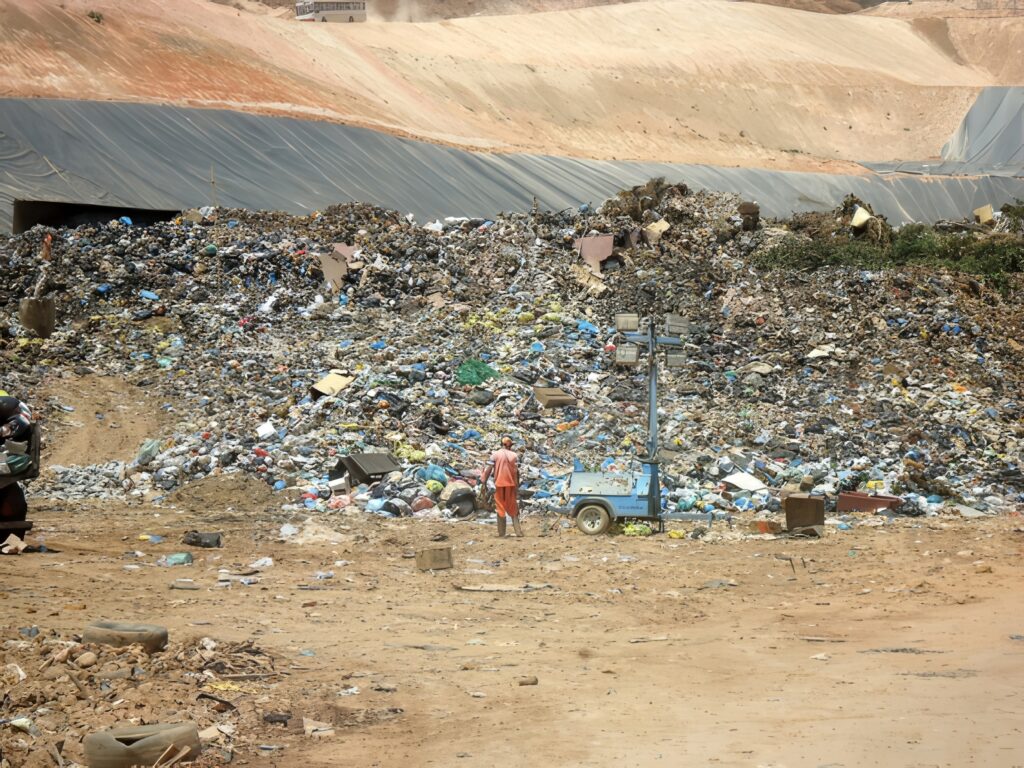
In everyday life, we often have the feeling that trash simply "disappears" after being thrown away. We put the waste in plastic bags, leave them in the trash can in front of our house, and within a few hours, the garbage trucks take it away. But Where does all this trash actually go?
The final destination for most urban waste is the sanitary landfillAlthough they are structures with applied engineering technology — equipped with leachate drainage systems, gas collection and combustion — landfills have limited capacity and are increasingly under pressure from... increasing amount of solid wasteespecially those that demand thousands of years for its complete decomposition..
Waste Degradation Time
Check it out below. the estimated decomposition time of some common waste products:
Paper: 3 to 6 months
Cigarette butts: up to 5 years
Plastic: 200 to 600 years
Aluminum (cans): up to 200 years
Glass: up to 1 million years
Tires: indefinite period
Disposable diapers: up to 450 years
These data demonstrate that, although the trash disappears from our sight, it remains on the planet for a very long time — with serious environmental impacts.
Responsibility lies with everyone.
As main generators of solid wasteCitizens, businesses, and governments share the responsibility to adopt measures to reduction, separation and proper disposal from the trash. Actions such as:
Reduce unnecessary consumption., especially disposable items;
Separate recyclable waste (paper, plastic, glass, metals) from organic waste and rejects;
Send recyclable materials to cooperatives. or selective collection points;
Avoid improper disposal. Special waste such as batteries, electronics and cooking oil.
How to separate your trash
Proper waste separation is essential for efficient, safe, and environmentally sustainable recycling and disposal processes. Below, see how to correctly separate waste, according to visual guidelines from [source/source]. Ecominas:
Recyclable Waste
It should contain materials that can be reused by industry, such as:
Paper and cardboardSheets, boxes, newspapers, magazines;
PlasticsPET bottles, disposable cups, bags, sacks, various packaging;
Other itemsBroken toys, PVC pipes and tubes, household utensils, styrofoam, and wires.
Step 1 – Cleaning: Before discarding, Wash and dry the recyclables.This prevents bad smells, attracts fewer insects, and facilitates sorting in cooperatives (Ecominas, 2023).
Step 2 – Destination: Send the waste to the public selective collection or Contact local recycling cooperatives.In many municipalities, it is possible to check for selective waste collection points with the city hall or accredited private companies.
Regular Trash
These are the residues that are not recyclable and should be sent to the landfill:
OthersPaper towels, used napkins, street sweepings.
Destination: This type of waste should be placed in sturdy bags and sent for regular public waste collection..
Eco-friendly Tip: Composting Waste raw organic as:
Fruit and vegetable peels, leaves, seeds, pulp, grains, eggshells, tea bags (without metal staples)
they can be composting at homeThis biological process transforms biodegradable waste into natural fertilizer, significantly reducing the amount of waste sent to landfills (Ecominas, 2023).
💡 Home composters can be purchased or made with simple buckets, as long as they ensure oxygenation and drainage of the liquid generated (leachate).
Conclusion
The excessive generation of urban waste in Brazil is a structural problem that requires... awareness, effective public policies and changes in habits from the population's perspective. Reducing the volume of waste destined for landfills and promoting recycling are essential paths towards a more sustainable society.
In EcominasWe believe that small actions lead to big changes. We encourage conscious consumption and responsible disposal as part of a greener future for everyone.
Brazilian roads accumulate functions that their original design did not foresee. Redistributing the road section and taking care of the pedestrian scale…
It is crucial to remember that the concept of "environment" extends beyond the physical-natural dimension to encompass the social world. The strategies…