Wildfires in Brazil: What's Happening and How We Can Help
September 9, 2024
By Victoria Rodrigues
EnvironmentNatural ResourcesWasteHealthSocial
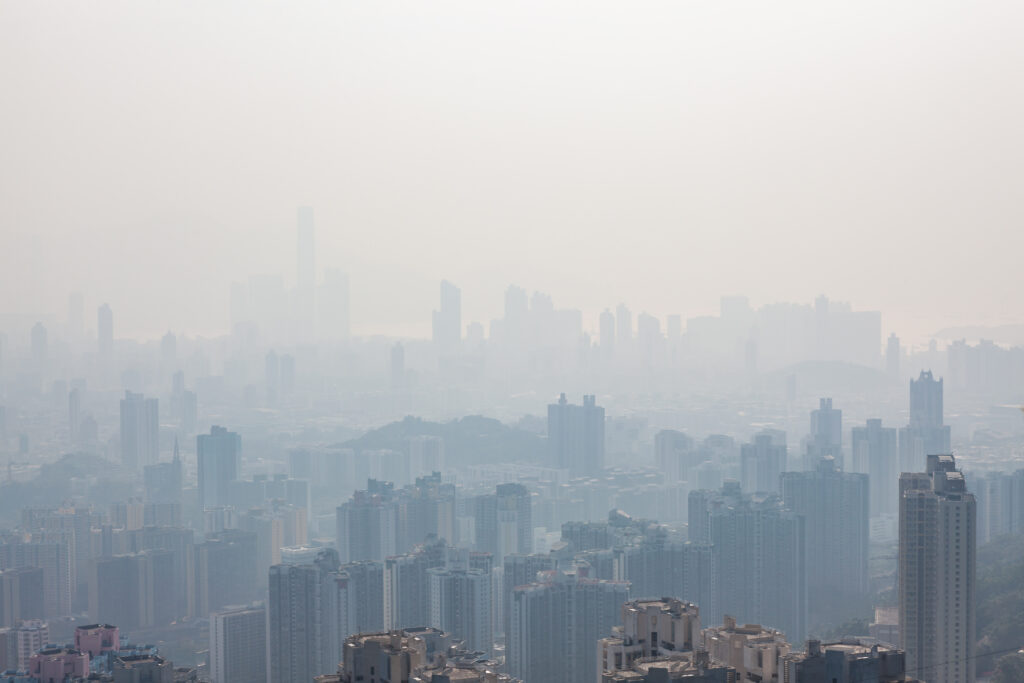
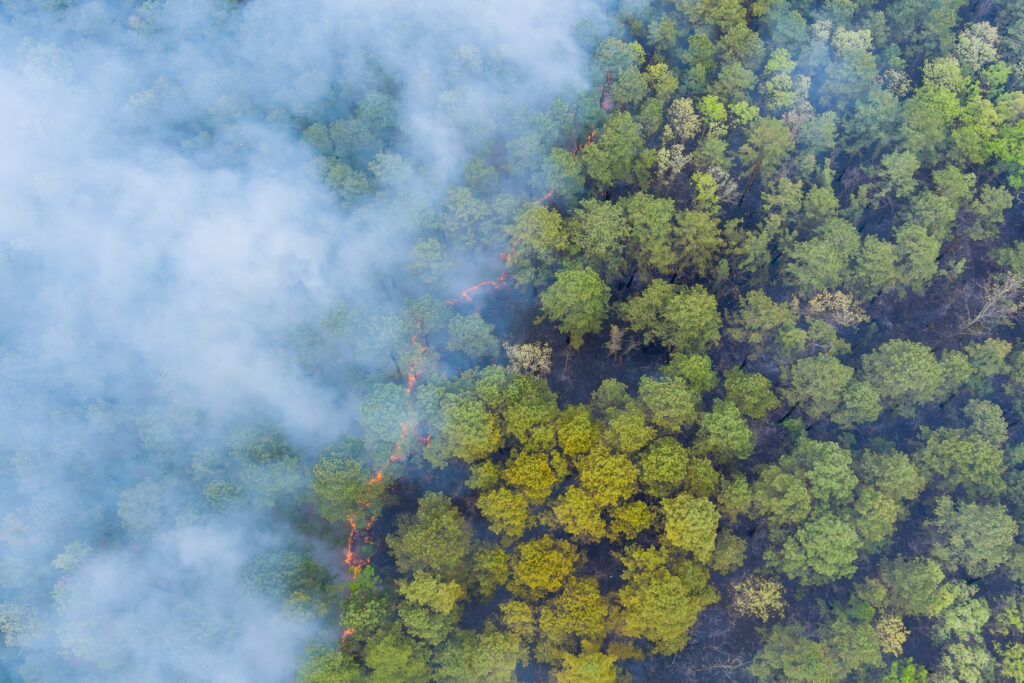
In recent months, Brazil has once again faced an increasingly common reality: uncontrolled wildfires, ...which spread across different biomes and compromise the quality of life in cities. In Belo Horizonte, for example, the effects of smoke and soot are already being felt by the population — the sky closes in with a grayish haze and the air becomes dense, heavy, and laden with pollutants.
The impacts on public health are immediate. Children, the elderly, and people with respiratory illnesses They are among the most affected groups, presenting an increase in symptoms such as shortness of breath, irritation, and asthma attacks. Even in regions far from the fires, the wind carries the smoke, spreading its effects throughout the country.
An Environmental and Climate Risk
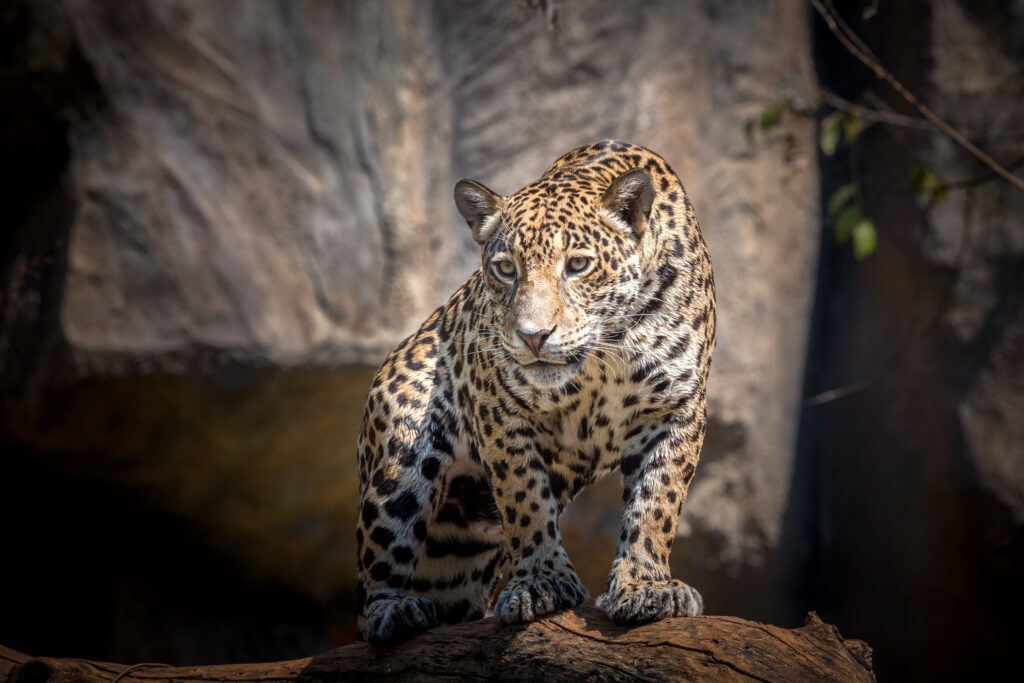
In addition to the health threat, the environmental damage is alarming. Wildfires destroy entire forests, eliminate habitats, impoverish the soil, and endanger biodiversity. Centuries-old trees are lost in minutes, and burned soil can take decades to regenerate. The loss of these forest areas also impairs climate regulation and the natural capacity to absorb CO₂, exacerbating global warming.
This cycle is vicious: The more fires, the more greenhouse gases are released., which contributes to the increase in global temperature and creates even more favorable conditions for new fires.
Human Causes and the Role of Society
A large part of the wildfires in Brazil originate in human action. Illegal deforestation, burning of pastures to clear agricultural land, and the irresponsible use of fire in rural areas are still common practices. The climate crisis, with prolonged periods of drought and extreme heat, only intensifies the effects of these actions.
The good news is that We can all work together to reverse this situation. Even those who live far from forests can adopt practices that help prevent and combat wildfires.
What can you do?
Raise awareness within your network: Share information about the impacts of wildfires. Environmental education begins with dialogue with friends, family, and colleagues.
Avoid using fire: In rural areas, do not light campfires, burn trash, or pruning debris. A single spark can be enough to start a large fire.
Support environmental initiatives: NGOs, reforestation projects, and conservation efforts need support. Donations and volunteering are effective ways to participate.
Make conscious choices: Consume sustainably sourced products and avoid brands associated with deforestation. Opt for environmental certification labels.
Report it: In case of illegal fires, contact the appropriate authorities such as the Fire Department or Civil Defense. Prompt reporting can save entire ecosystems.
Demand effective public policies: Push for laws that curb deforestation and demand stronger environmental enforcement.
Wildfires are more than just an environmental problem: they are a climate and public health emergency. Fighting this cycle requires collective action, commitment, and above all, awareness. Every action counts—and it starts with us.
Brazilian roads accumulate functions that their original design did not foresee. Redistributing the road section and taking care of the pedestrian scale…
It is crucial to remember that the concept of "environment" extends beyond the physical-natural dimension to encompass the social world. The strategies…